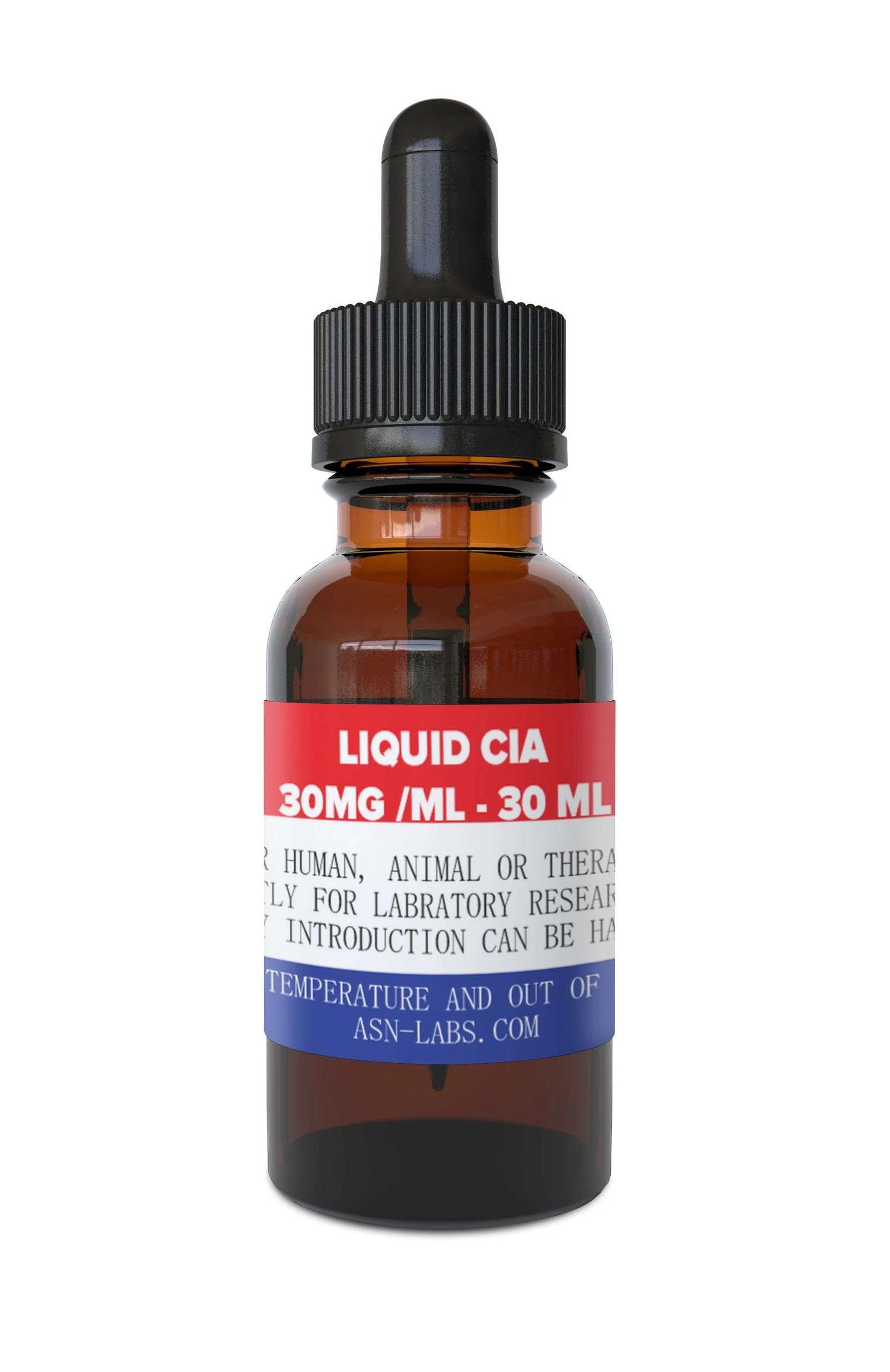
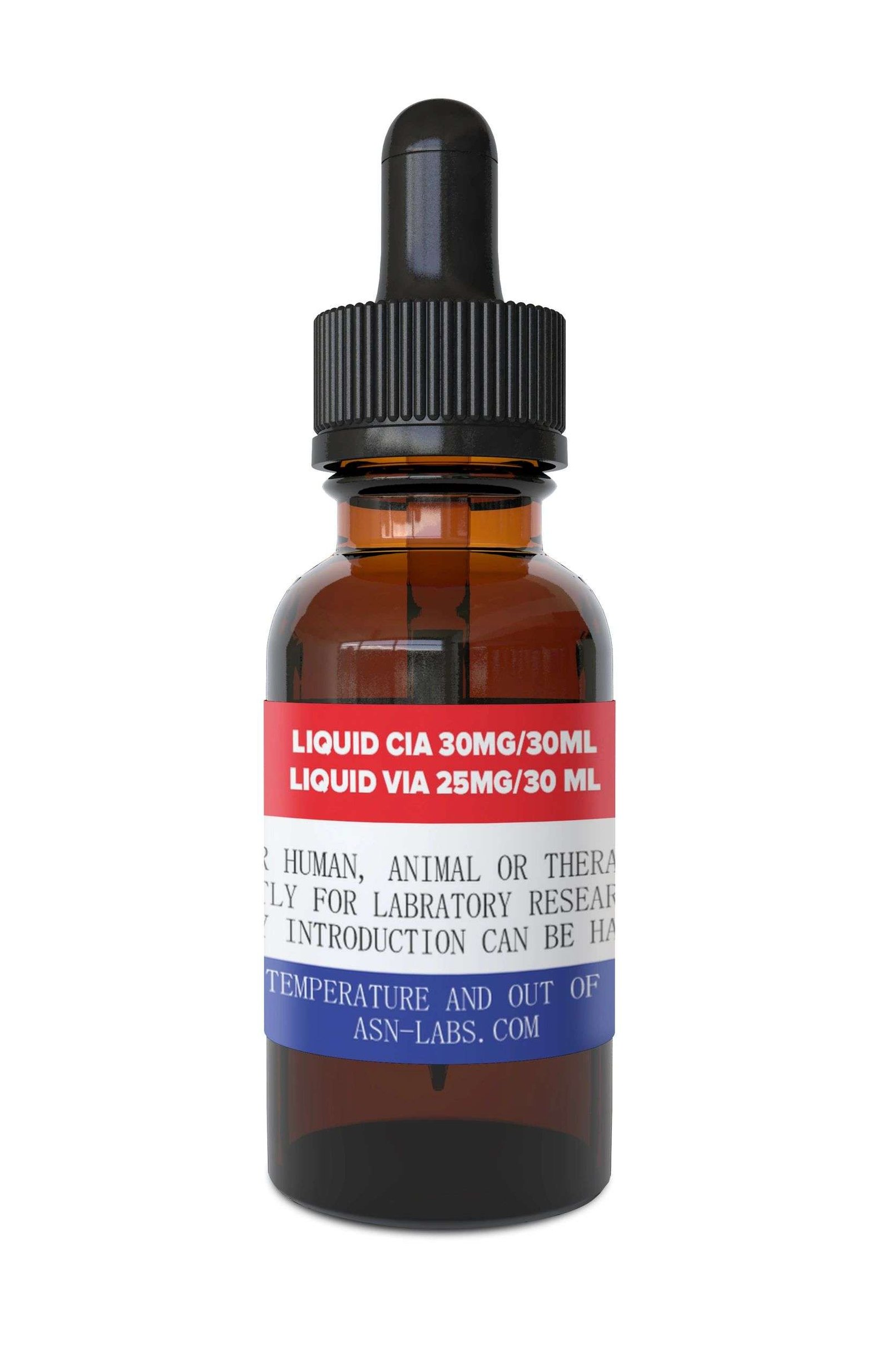
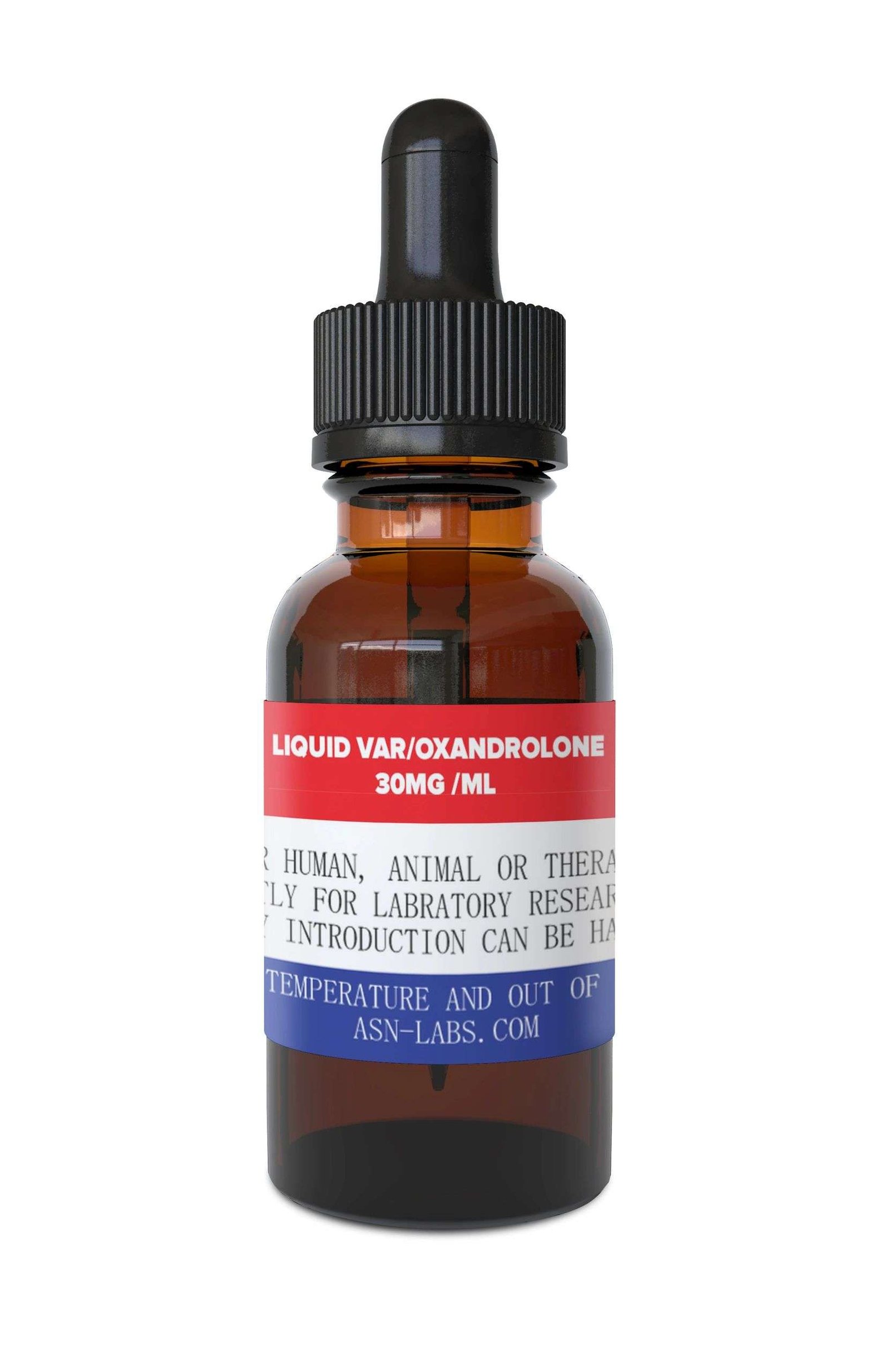
 Orders placed between June 24 and July 5 may experience slight processing delays due to inventory reconciliation and warehouse maintenance.



A certificate of analysis can look convincing in seconds: a logo, a purity percentage, and a signature at the bottom. But experienced buyers know the best COA details to check are the ones that connect the report to the exact material in front of you. A generic 99% result does not establish that a supplier tested your batch, used a meaningful method, or verified the identity of the compound.
For serious research sourcing, a COA is not decorative paperwork. It is part of the quality-control record. Read it with the same discipline you bring to selecting a research compound: verify the batch, evaluate the testing method, and look for data that can withstand scrutiny.
Best COA Details to Check Before You Place an Order
Start with the exact product identity
The first question is simple: what was actually tested? A credible COA should identify the compound by name and, ideally, include information such as the chemical name, CAS number when applicable, molecular formula, or molecular weight. The stated identity needs to match the product listing precisely.
This matters most when compounds have similar names, multiple salt forms, or different ester variants. A result for a base compound is not automatically interchangeable with a result for a salt, acetate, or another modified form. If the listing says one material and the COA identifies another, stop there and request clarification.
For peptides, naming precision matters even more. The report should make it clear whether the test applies to the specified sequence and format rather than a loosely related label. A COA that only says “peptide sample” provides very little useful confirmation.
Match the lot or batch number
A COA without a lot number is evidence of a test, not necessarily evidence of a test for your product. The batch or lot number on the report should match the number shown on the vial, packaging, product label, or supplier documentation.
This is one of the strongest traceability checks available to a buyer. Suppliers may carry the same compound across multiple production runs, and quality can vary from one lot to the next. A report tied to an old or unrelated batch cannot verify the material currently being sold.
Pay attention to inconsistencies in formatting, too. A batch number that appears only in an editable-looking text field, differs from the product label, or is absent from every other document deserves a closer look. Strong quality systems connect product, lot, test sample, and report through a clear chain of records.
Check the dates, not just the report header
A COA should include a testing date, report date, or both. Recent testing is generally more useful than an undated report or one that has been reused for years. That said, recent is not automatically better if the batch itself does not match. Traceability comes first.
Look for sensible timing between manufacture, sampling, and testing. A report issued before the listed production date is an obvious red flag. A test performed long before the current inventory arrived may also require an explanation, especially for materials where storage conditions and stability can affect research handling.
Dates should be specific. “2025” is not the same as a complete date. A professionally issued report gives enough detail to establish when the sample was evaluated and whether it relates to the current lot.
Identify the testing laboratory
Third-party testing carries more weight than a supplier-created sheet with no independent laboratory identified. A useful COA should name the laboratory that performed the analysis and include enough information to verify that it is a real testing operation, such as a laboratory address, contact information, analyst approval, report number, or other traceable identifier.
A lab logo alone is not proof. Logos are easy to copy, and polished PDFs can still contain weak or unverifiable data. Look for a consistent layout, report numbering, method references, instrument details, and a signature or authorization field that appears tied to the laboratory’s normal reporting process.
Independence also has limits. A third-party result confirms what that lab received and tested. It does not replace supplier controls, proper storage, or lot-specific documentation. The strongest sourcing standard combines independent analysis with transparent batch traceability.
Read the Method Behind the Result
A purity number is only as meaningful as the analytical method used to produce it. The best COA details to check include both the result and the method used to establish it.
For many research compounds, high-performance liquid chromatography, or HPLC, is commonly used to estimate purity by separating components in a sample. Liquid chromatography-mass spectrometry, often written as LC-MS, can add valuable identity support by measuring mass-related data. For certain materials, other methods may be appropriate, including nuclear magnetic resonance spectroscopy, residual solvent testing, microbial testing, or elemental analysis.
No single test answers every quality question. HPLC may show a high main peak, but that alone does not fully prove molecular identity. Mass data can support identity, but it may not reveal every possible impurity. The right testing panel depends on the compound, its format, and the claims being made about it.
Look for actual data, not a percentage alone
“Purity: 99%” is a claim. A report that shows the analytical result behind that number is stronger evidence. Depending on the method, that may include chromatograms, peak tables, retention times, mass spectra, calculated assay values, or specification limits.
You do not need to be an analytical chemist to spot the difference between a substantive report and a thin one-page template. Useful data gives context: what was measured, how it was measured, what result was obtained, and whether that result met the laboratory’s stated acceptance criteria.
For an HPLC report, a chromatogram should show a dominant peak consistent with the claimed sample, while the accompanying table should account for smaller peaks or impurities. For LC-MS, check whether the observed mass is consistent with the expected material. The report should not force you to guess which sample or method the numbers represent.
Be realistic about what “99% purity” means. It does not mean 99% potency, 99% biological activity, or guaranteed research outcomes. It generally describes the proportion of a measured sample attributed to the principal analyte under a specific method. That distinction separates informed sourcing from marketing noise.
Review specifications and pass-fail criteria
A credible COA often includes a specification column beside the result. For example, a supplier or laboratory may set an acceptance range for identity, assay, purity, appearance, or moisture content. This makes it possible to see whether the sample passed a defined standard rather than simply displaying a favorable number.
The absence of specifications does not automatically make a COA invalid. Some laboratory reports are strictly analytical and do not include client release criteria. But when a supplier presents a document as a quality-control certificate, clear standards and results make the quality claim far more accountable.
Avoid treating the highest number as the only number that matters. A 99.7% purity claim with no batch linkage, no method, and no traceable lab is less persuasive than a slightly lower result supported by complete, lot-specific documentation.
Check the Tests That Fit the Material
Different research materials carry different quality considerations. The COA should reflect the product, not a recycled template applied across an entire catalog.
For powders, relevant checks may include identity, chromatographic purity, assay, water content, residual solvents, or heavy metals where appropriate. For peptides, identity confirmation and purity profiling are central, while sequence-related impurities can matter depending on the intended research application. For solutions, concentration, solvent identity, fill volume, and microbial controls may be relevant, particularly when the format or storage requirements make those factors material to research handling.
More tests are not automatically better if they are irrelevant or poorly documented. The standard is fit-for-purpose analysis: testing that addresses the meaningful risks associated with that specific compound and presentation.
Verify Authenticity Without Falling for Cosmetic Signals
QR codes, embossed seals, barcodes, and premium packaging can be useful organizational tools. They are not a substitute for a verifiable report. A QR code should lead to batch-specific documentation, not merely a product page or a generic image of the same COA used for every lot.
Compare the report to the product description. The compound name, concentration or fill amount where relevant, lot number, and stated format should align. Check whether the supplier can provide documentation before purchase rather than only after a customer raises a concern.
ASN-LABS maintains a research-use positioning, and that same standard should guide any responsible purchase decision: evaluate documentation for product quality and traceability, then handle all materials in accordance with the stated research-use terms and applicable requirements.
A Fast COA Screening Standard
When time is limited, screen every report through five questions: Does it identify the exact compound? Does the lot match current inventory? Is a credible laboratory and date shown? Is the analytical method named? Does the report provide data or specifications beyond a standalone purity percentage?
If the answer to several of those questions is no, the document is not doing the work a COA should do. Request the missing information or choose a supplier that treats transparency as part of the product, not an afterthought.
The right COA will not promise results. It will do something more valuable: give you a clear, batch-specific basis for judging whether a research compound was identified, tested, and documented with the precision serious sourcing demands.