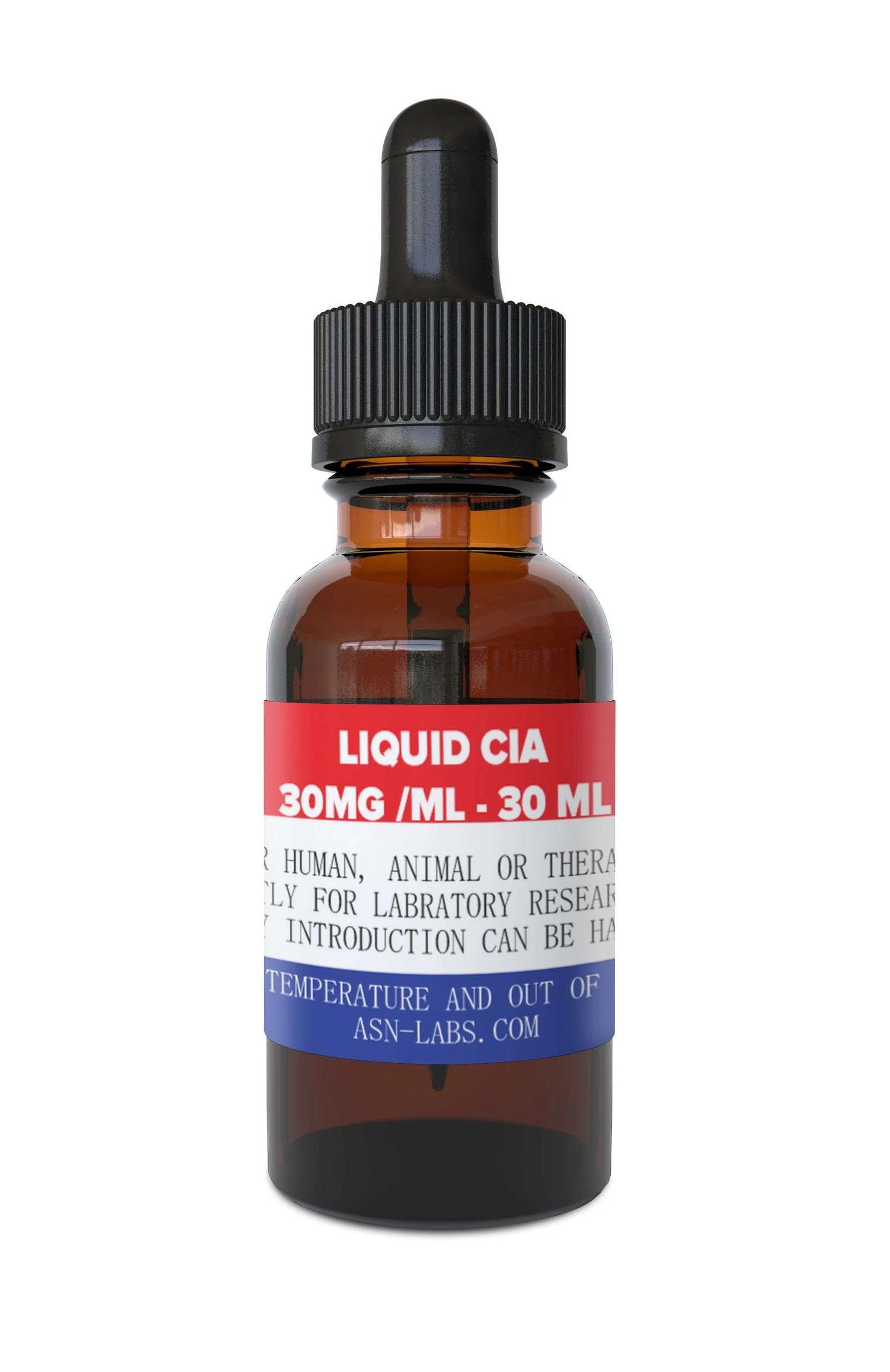
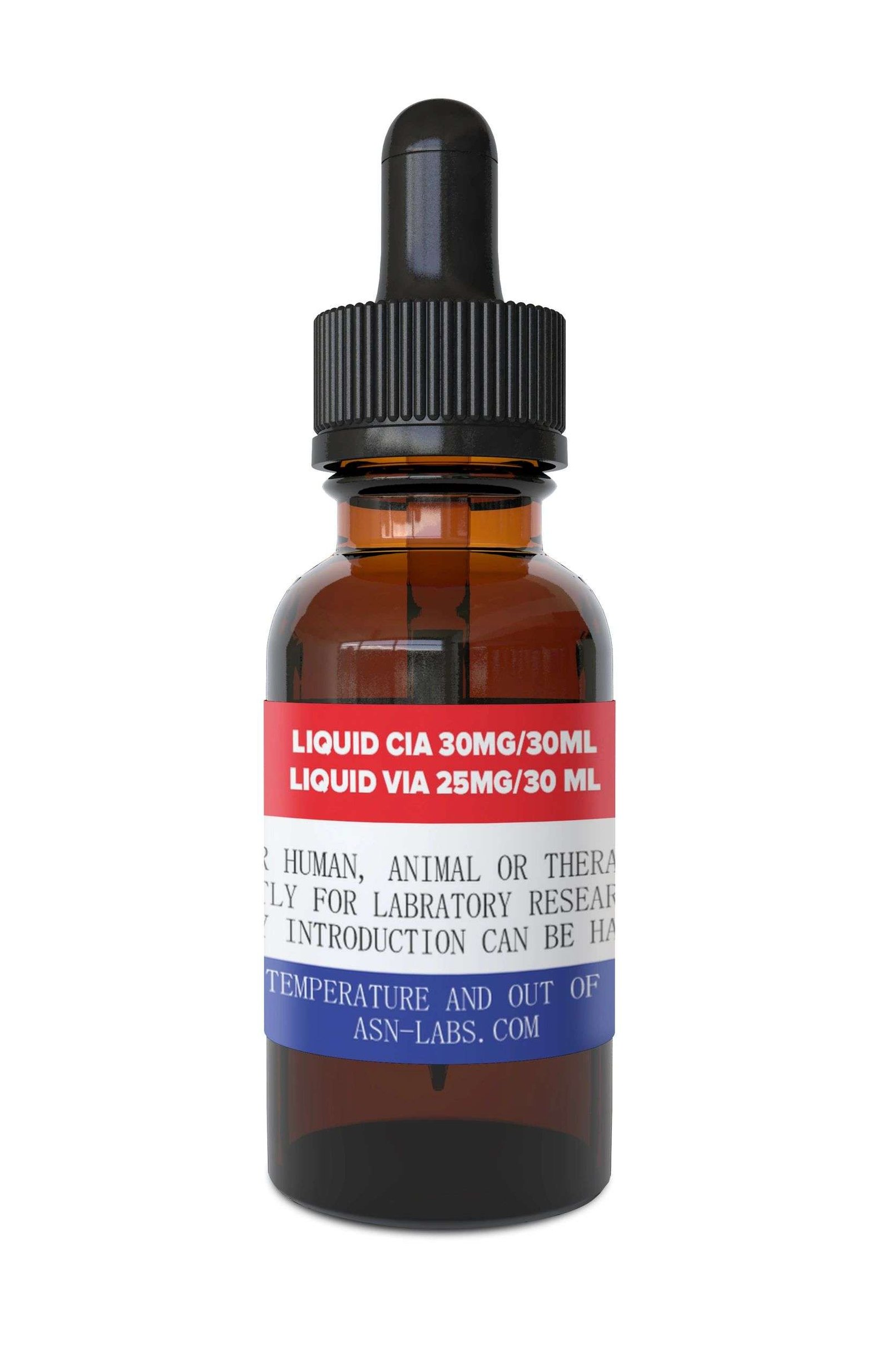
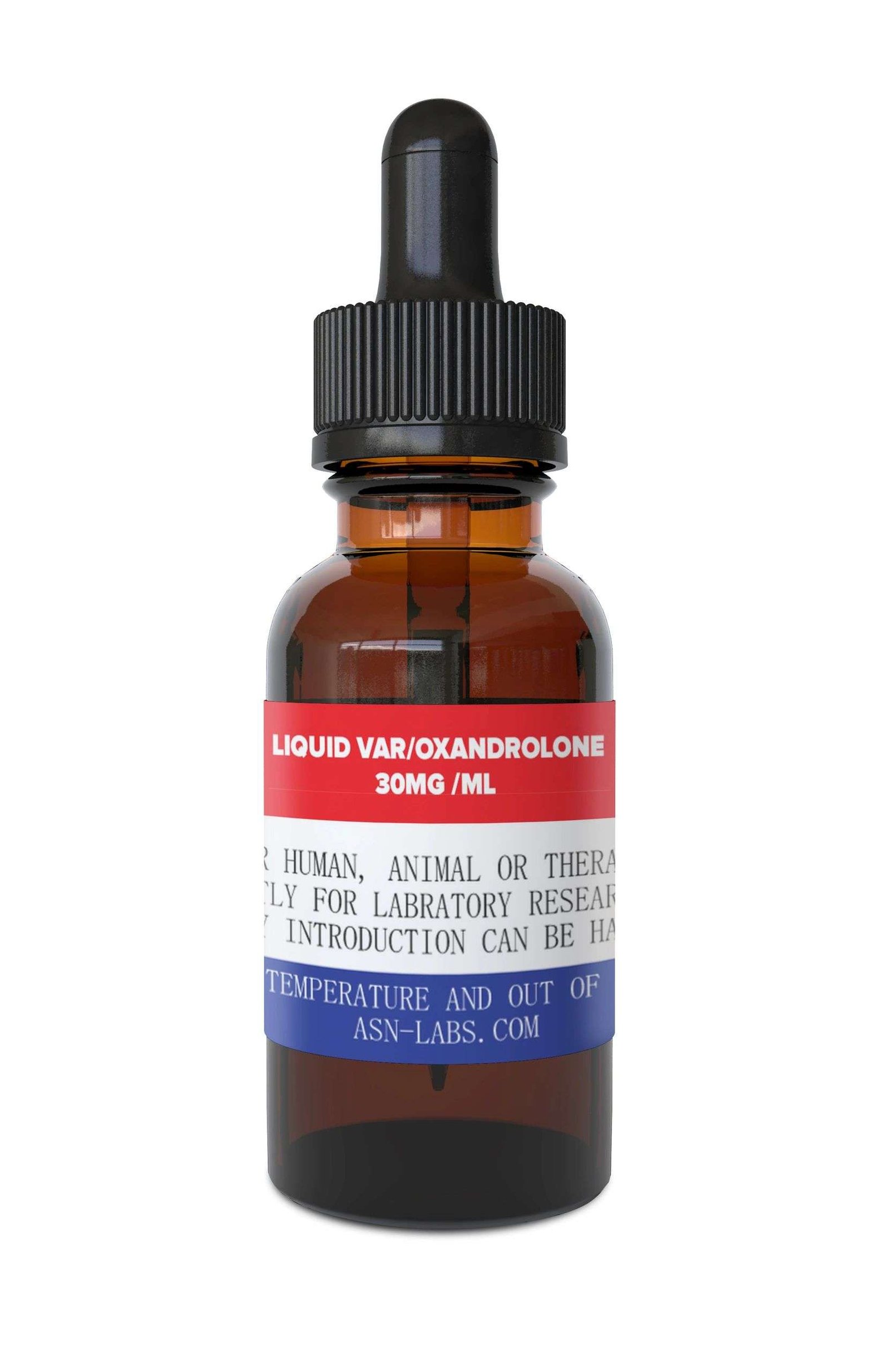
 Orders placed between June 24 and July 5 may experience slight processing delays due to inventory reconciliation and warehouse maintenance.



A bottle can carry a domestic label and still leave serious questions unanswered. In USA research compound manufacturing, the real differentiator is not a flag on the label. It is the discipline behind raw material selection, identity verification, batch control, documentation, packaging, and release testing. For buyers who refuse to gamble on consistency, those details are the product.
Performance-oriented research demands a higher standard of sourcing. Whether a project involves SARMs, peptides, nootropics, or metabolic research compounds, unreliable material creates unreliable data. A trusted supplier earns confidence by treating every lot as something that must be verified, documented, and handled with precision.
What USA Research Compound Manufacturing Should Mean
Domestic manufacturing can provide meaningful advantages, but it should never be treated as a shortcut for quality. “Made in the USA” is valuable when it reflects tighter operational oversight, controlled production practices, accountable fulfillment, and the ability to respond quickly when a quality question arises.
The strongest U.S.-based operations build quality into the process before a finished bottle reaches the shelf. That begins with qualified raw materials and continues through controlled handling, batch identification, accurate labeling, and appropriate storage. The goal is simple: the material in the container should match the identity and specifications represented by the supplier.
For serious buyers, domestic production also improves practical accountability. A supplier operating close to its customer base can maintain more direct control over inventory, packaging, shipping, and customer support. That does not automatically make every U.S. product superior, but it gives a disciplined company more opportunity to protect consistency from production through delivery.
Purity Is a Process, Not a Marketing Claim
Purity percentages get attention because they are easy to understand. Still, a number alone is not enough. A meaningful purity claim should be connected to a defined batch, an appropriate analytical method, and documentation that supports the result.
Identity testing answers the first essential question: is the material actually what it is labeled to be? Purity testing addresses how much of the target compound is present relative to impurities or residual material. Depending on the compound category and formulation, further evaluation may be needed for concentration, moisture, microbial limits, residual solvents, or other relevant quality attributes.
This is why a serious supplier does not rely on appearance, vendor paperwork, or a generic certificate copied across multiple lots. Testing must be connected to the actual batch being sold. If lot-to-lot consistency matters, then lot-specific control matters too.
GMP-oriented practices strengthen this process by creating repeatable procedures for handling, documentation, cleaning, storage, and release decisions. Buyers should understand the distinction: GMP-oriented systems and third-party lab testing are meaningful quality signals, but they are not interchangeable with regulatory approval for human use. Research compounds should be handled and evaluated only within their stated research-use framework.
The Controls Behind Consistent Research Material
Quality failures often begin long before testing. Poor storage conditions, unclear labeling, cross-contamination risk, rushed filling, and weak inventory control can compromise an otherwise promising product. Precision requires a system rather than a last-minute test.
A credible manufacturing and fulfillment workflow generally includes controlled receiving of raw materials, clear lot assignment, documented production steps, in-process checks, finished-product testing where appropriate, and a formal release decision before inventory is made available. The exact controls depend on the compound, dosage form, and packaging format, but the principle does not change: each stage should protect identity, integrity, and traceability.
Traceability is particularly important for compounds purchased repeatedly or used across longer research timelines. A lot number allows the supplier to connect a finished unit back to its production and testing records. It also gives buyers a clear reference point when reviewing documentation or raising a question about a specific order.
Packaging deserves the same scrutiny. Quality packaging helps protect material from light, moisture, temperature variation, and accidental mix-ups. Accurate labeling should clearly distinguish the compound, amount or concentration, lot information, and applicable research-use language. Premium presentation is useful, but functional control is what protects the material.
Third-Party Testing Separates Claims From Evidence
Independent analytical testing is one of the clearest trust markers in the research compound market. It adds a layer of verification outside the supplier’s own internal process and gives buyers a stronger basis for evaluating a purity or identity claim.
The value is in the details. A credible report should identify the material tested, the relevant batch or lot, the analytical method or result type, and the testing laboratory or reporting source. A document with no batch connection has limited value because it cannot reliably confirm the exact inventory currently being offered.
Testing is not a single universal checklist. Peptides, liquids, capsules, powders, and complex blends can require different analytical approaches. For example, a concentration claim for a liquid formulation is not evaluated in exactly the same way as a powdered reference material. The right question is not whether every product has identical paperwork. It is whether the available testing is appropriate for the product and supports the claims being made.
Buyers should also be cautious of suppliers that use laboratory language without showing a disciplined quality posture. Terms like “pharmaceutical grade” or “highest purity” can sound impressive, but they do not replace lot-level evidence, transparent specifications, and consistent manufacturing controls.
Why Domestic Fulfillment Matters After Manufacturing
The manufacturing decision does not end at production. Research materials can lose value if they sit in uncontrolled inventory, are mislabeled during fulfillment, or spend weeks moving through uncertain international shipping channels. Fast domestic fulfillment is not just a convenience feature. It supports a more controlled buying experience.
For U.S. customers, domestic inventory can mean clearer shipment tracking, shorter transit times, and fewer handoffs between the supplier and delivery destination. It can also make it easier for a company to maintain organized stock rotation and respond when a customer needs clarification about a lot, product format, or order status.
That said, speed should never outrank product control. A supplier should not rush material out the door simply to advertise same-day handling. The priority is released, accurately picked, securely packaged inventory. Fast shipping becomes valuable when it follows a disciplined release and fulfillment process.
Questions Serious Buyers Should Ask
Before choosing a research compound supplier, look beyond product names and promotional language. Ask whether testing is tied to the lot being sold, whether the supplier can explain its quality standards, and whether packaging and labels support traceability. Consider where inventory is manufactured, stored, and shipped from.
Also examine how the company communicates boundaries. A professional supplier does not blur research-use positioning with unsupported medical claims or directions for human consumption. Clear compliance language is not a weakness. It is evidence that the company understands the responsibility that comes with selling advanced research materials.
Price matters, but the lowest price can be expensive when it comes with vague sourcing, missing documentation, delayed shipping, or inconsistent material. The better value is the supplier that combines transparent quality signals with dependable fulfillment and a purchasing experience built for repeat confidence.
ASN-LABS is built around that standard: lab-tested, USA-manufactured research compounds supported by quality-focused sourcing, professional packaging, and fast nationwide fulfillment. For researchers and performance-minded buyers, confidence starts with knowing what is behind the label.
Choose suppliers that can support their claims with process, testing, and traceability. The right research material is not defined by hype. It is defined by the evidence that follows every batch.