 Orders placed between June 24 and July 5 may experience slight processing delays due to inventory reconciliation and warehouse maintenance.



A serious guide to SARM quality standards begins before a vial, bottle, or capsule reaches the bench. A product label can make aggressive purity claims. A supplier can use polished language. Neither replaces verifiable evidence that the material is what it claims to be, is consistent from batch to batch, and has been handled under controlled conditions.
For researchers and performance-focused compound buyers, quality is not a cosmetic feature. It is the difference between a defensible research input and an unknown variable. SARMs are sold for research use only, and responsible sourcing means assessing them with the same discipline applied to any other research chemical: identity first, purity second, documentation always.
What SARM Quality Standards Actually Measure
Quality is not a single number printed on a certificate. A 99% purity result may sound decisive, but it only answers part of the question. It does not automatically confirm that the tested material matches the product received, that the analytical method was appropriate, or that the remaining 1% is understood and acceptable for the intended research context.
A credible quality standard evaluates several connected controls: raw-material sourcing, compound identity, assay purity, impurity profile, manufacturing consistency, packaging integrity, labeling accuracy, and document traceability. If one of those controls is missing, confidence drops quickly.
The strongest suppliers treat quality as a system rather than a marketing claim. That system should create a clear chain from a defined batch of material to a specific test report and finished product. Researchers should be able to see where the claim comes from, not simply be asked to trust it.
Start With Identity, Not the Purity Percentage
Purity is only meaningful after identity has been established. A high-purity sample of the wrong compound is still the wrong research material. This is why credible SARM quality standards prioritize analytical confirmation of identity before promoting an assay result.
Different methods answer different questions. High-performance liquid chromatography, or HPLC, is commonly used to estimate purity and identify chromatographic peaks. It is useful, but HPLC alone may not fully prove molecular identity, especially when structurally related compounds or unknown contaminants are possible. Mass spectrometry can support molecular-weight confirmation, while more advanced techniques such as NMR can provide deeper structural characterization.
The right testing approach depends on the compound, the formulation, and the level of certainty required. There is no single instrument that makes every quality question disappear. What matters is whether the supplier uses methods that fit the claim being made and can explain what each result does and does not establish.
What to look for on a certificate of analysis
A certificate of analysis, often called a COA, should be batch-specific. That means the lot or batch number on the document must match the lot or batch number on the product packaging. A generic report with no batch reference, an undated image, or a certificate reused across multiple products is not meaningful traceability.
A useful COA identifies the tested compound, lists the batch number, provides a test date, names the analytical method, and reports a clear result. It should also identify the testing laboratory or include enough information to establish where the analysis was performed. Third-party testing adds meaningful value because it reduces the risk of a supplier validating its own claims without independent oversight.
Read the result carefully. “Purity greater than 99%” is stronger when accompanied by a defined method and batch match than when it appears as an isolated graphic on a product page. If the document does not allow you to connect the tested sample to the product in hand, it is evidence of a claim, not proof of your material.
Purity Means More Than a Clean-Looking Number
A purity figure should be interpreted in context. It can reflect the percentage of a primary chromatographic peak, but it may not fully describe every residual solvent, degradation product, uncharacterized impurity, or formulation component. This does not mean a purity result is unhelpful. It means serious buyers know its limits.
Look for suppliers that are direct about the material being tested. Is the COA for a raw powder, a solution, or a finished encapsulated product? Testing a bulk input is valuable, but it does not independently verify every downstream step such as weighing, blending, filling, labeling, and packaging. Finished-product controls matter when the final format is different from the incoming raw material.
Consistency matters just as much as a headline number. One exceptional report does not establish an exceptional quality program. A trusted supplier should be able to demonstrate repeatable standards across batches, clear inventory controls, and a process for addressing deviations. Quality is proven over time, not manufactured in a single screenshot.
Manufacturing Controls Protect Batch Consistency
A premium research compound should be produced and handled in an environment built to reduce preventable variation. GMP-oriented processes are relevant here because they emphasize documented procedures, controlled equipment, trained personnel, lot tracking, sanitation, and deviation management.
Be precise with the terminology. “GMP-certified,” “GMP-compliant,” and “manufactured using GMP-oriented practices” are not interchangeable claims. Certification may apply to a specific facility, process, or scope, while broader language can be less specific. Strong suppliers state their standards clearly rather than using regulatory language as decoration.
For U.S. buyers, USA manufacturing can offer practical advantages in communication, fulfillment speed, and supply-chain visibility. It is not a substitute for analytical testing, but it can make quality oversight more accessible. The best sourcing decisions combine domestic operational accountability with batch-level evidence.
Packaging and labeling are part of the standard
Quality can degrade after manufacturing if packaging is poor. Light, heat, moisture, oxygen exposure, and improper storage conditions can affect sensitive materials. Packaging should be appropriate to the compound format and protect the product during ordinary storage and transit.
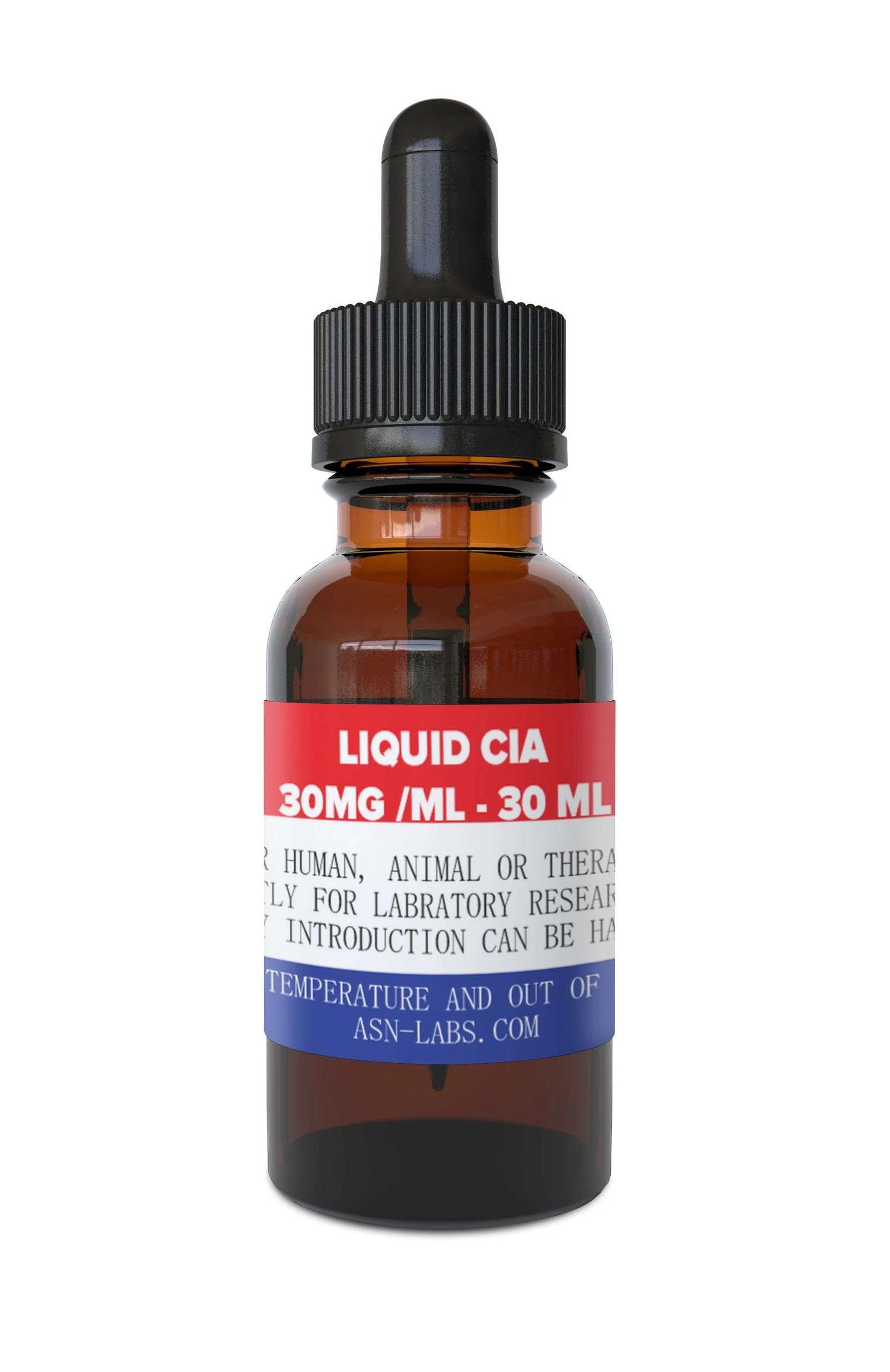
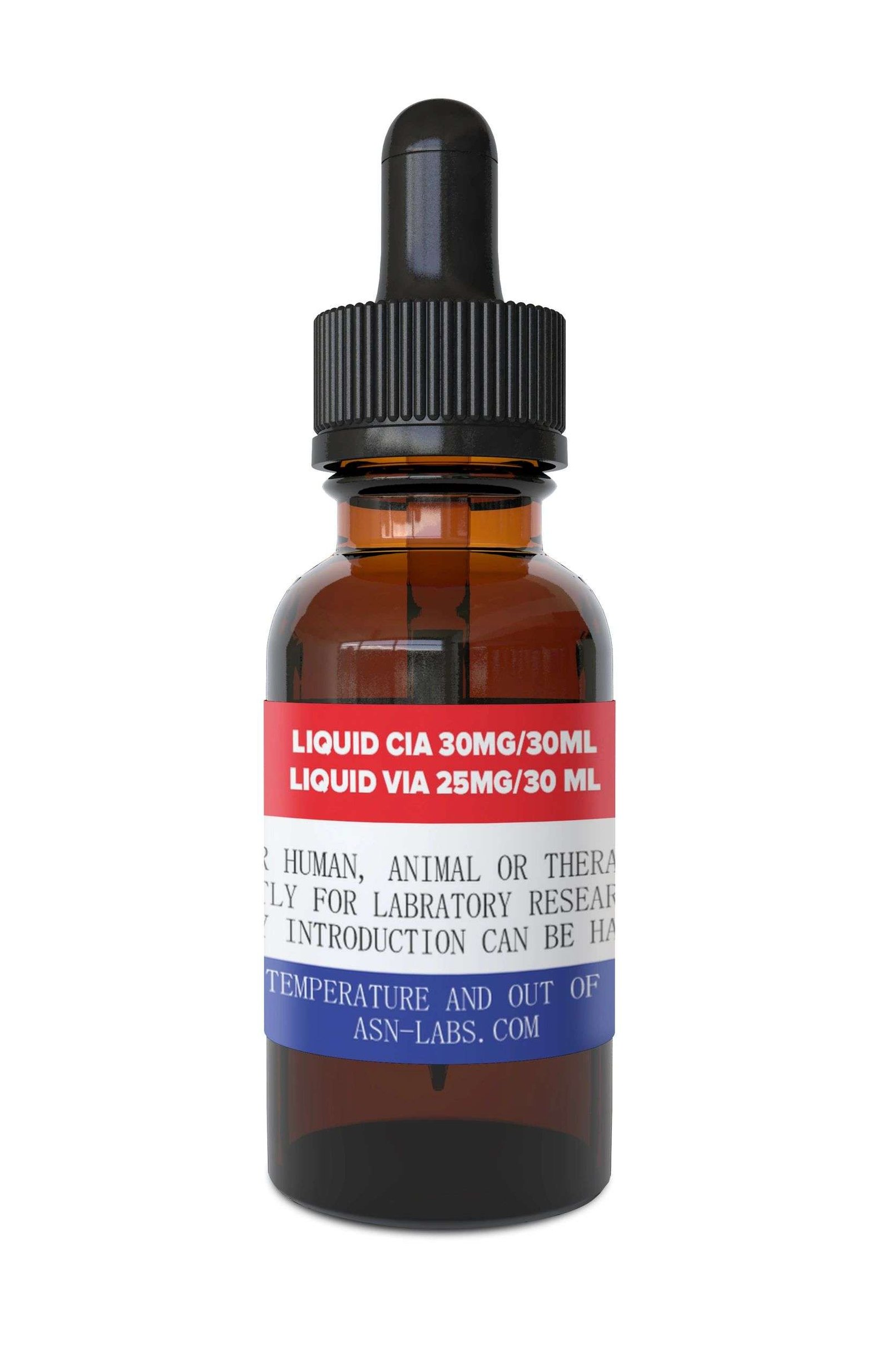
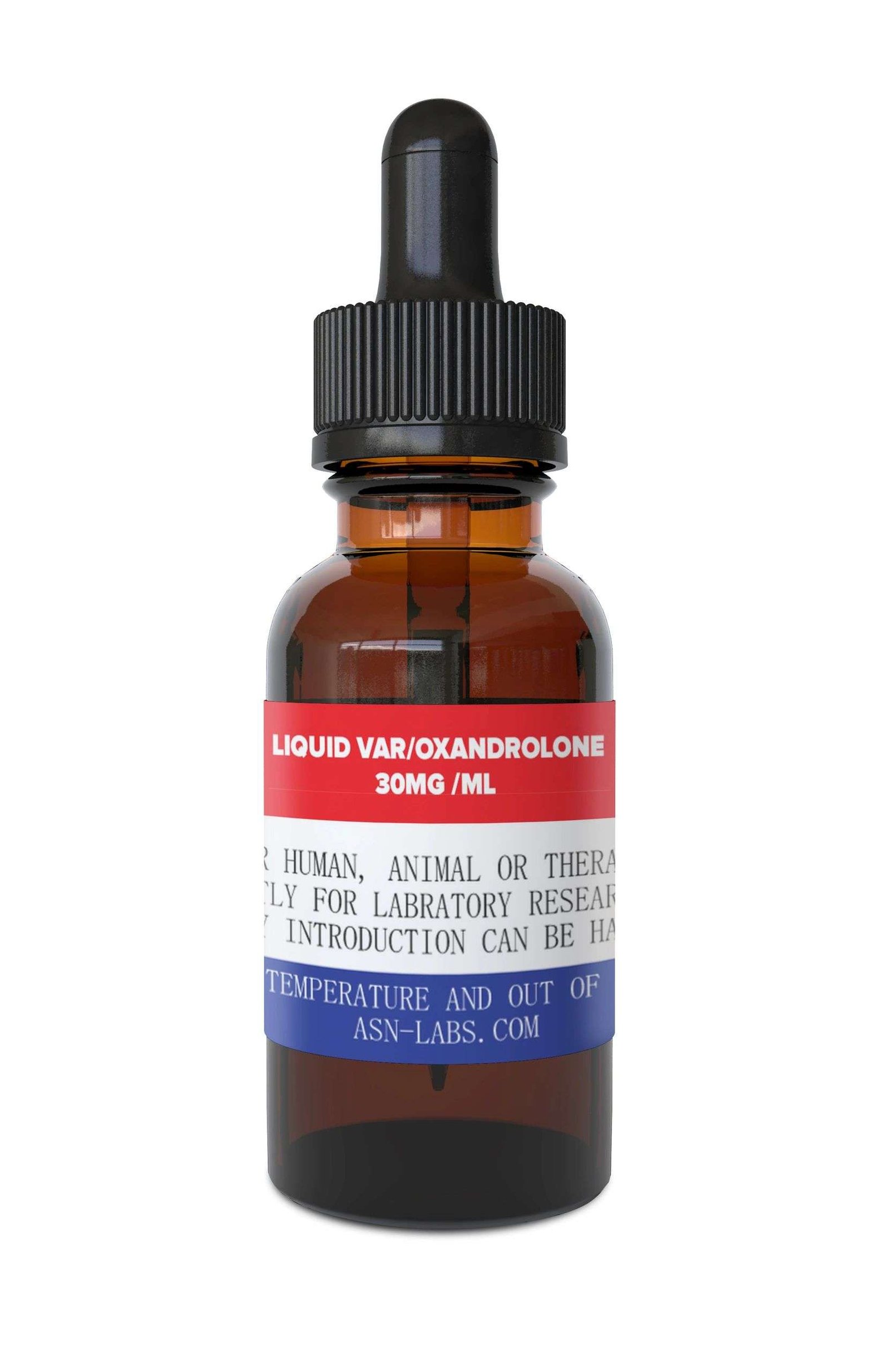
At a minimum, labels should clearly identify the compound, concentration or quantity, batch or lot number, and research-use status. Tamper-evident features, secure closures, and legible labeling are simple controls that signal operational discipline. A premium product should not arrive with vague identification, conflicting concentrations, damaged seals, or labels that cannot be matched to its documentation.
Shipping also deserves attention. Fast nationwide fulfillment is valuable, but speed should not come at the expense of storage discipline. A reliable supplier understands that a professionally packed shipment is the final link in its quality-control chain.
Red Flags That Deserve Immediate Scrutiny
Quality concerns are often visible before a purchase is made. The clearest red flag is a supplier that relies on bold performance claims while providing no batch-specific documentation. Another is a COA that looks polished but omits the laboratory, date, method, lot number, or tested product name.
Be cautious when every compound displays the exact same purity result, when reports are visibly copied between products, or when labels and certificates use inconsistent names. Inconsistent terminology can indicate weak inventory controls or a lack of technical oversight. Price can also be a signal. An unusually low price is not automatic proof of a problem, but it should prompt a closer look at testing, packaging, and traceability rather than an assumption of exceptional value.
Four additional warning signs merit a hard stop:
- No research-use-only statement or unclear intended-use positioning
- No way to match the product lot to supporting documentation
- Vague claims of testing with no method, date, or laboratory details
- Refusal or inability to address basic quality-control questions
A supplier does not need to disclose every proprietary operational detail. It should, however, be prepared to substantiate the claims it uses to earn your business.
A Practical Standard for Choosing a Supplier
Use a simple decision rule: do not assess a SARM product by its label, price, or marketing alone. Assess whether the supplier can establish identity, connect a current COA to the exact batch, explain the test method, maintain controlled manufacturing and packaging practices, and communicate professionally when documentation is requested.
This standard is especially useful when comparing a direct supplier with a marketplace seller. Marketplaces can make it difficult to determine who actually manufactured, tested, stored, or relabeled a compound. A direct-to-consumer research supplier with traceable batches and transparent quality controls gives the buyer a clearer line of accountability.
ASN-LABS positions its research compounds around lab-tested quality, U.S. manufacturing, and professional batch consistency because those controls are what serious buyers should expect. Still, every claim should be evaluated against the documentation available for the specific product and lot.
Make Documentation Your Baseline
The strongest research decisions are not driven by hype or a single purity percentage. They are driven by evidence that holds up when you ask basic questions: What is this material? How was it tested? Which batch does this report represent? How was it produced, packaged, and tracked?
Treat those questions as your minimum standard, not an added bonus. When a supplier can answer them with precision, quality stops being a promise and becomes something you can evaluate.