 Orders placed between June 24 and July 5 may experience slight processing delays due to inventory reconciliation and warehouse maintenance.



A low sticker price means very little when the compound behind the label is unknown. For buyers sourcing SARMs, peptides, nootropics, and other performance-oriented materials, the real standard is not whether a vendor looks polished. It is whether the supplier can support its claims with traceable evidence. Knowing how to assess research compound vendors starts with a simple rule: verify the product before you trust the marketing.
A dependable supplier makes quality visible. They communicate what the material is, how it was tested, how it was handled, and what it is intended for. A weak supplier asks you to accept broad promises such as “pharmaceutical grade” or “highest purity” without documentation, lot-level detail, or accountable customer support.
Start With Verifiable Testing, Not Purity Claims
Third-party testing is the first serious filter. A vendor should be able to provide a current certificate of analysis, often called a COA, that corresponds to the specific compound and ideally the specific lot being sold. A generic PDF with no lot number, no date, and no laboratory identity is not meaningful verification.
Review the report itself. It should identify the analyte, report the method used, show the result in a readable format, and include the testing laboratory’s information. For many compounds, high-performance liquid chromatography is a common identity and purity method. Depending on the product format and research application, additional analysis may be relevant, including mass spectrometry, residual solvent testing, microbial testing, endotoxin testing, or heavy-metal screening.
Purity is only one part of the equation. A reported 99% result sounds impressive, but it does not tell you what makes up the remaining percentage, whether the material was properly identified, or whether that report applies to the bottle or vial in front of you. Look for lot traceability and testing that matches the actual form of the product.
Be skeptical of vendors that display identical COAs across unrelated items, crop out laboratory information, or post reports that are years old. Testing should be a living part of the quality system, not a one-time graphic used to sell every future batch.
How to Assess Research Compound Vendors Beyond the COA
Testing matters, but a COA is not a substitute for sound manufacturing and fulfillment controls. The supplier should be able to describe its quality approach clearly, without hiding behind vague technical language.
For U.S. buyers, domestic manufacturing or domestic fulfillment can be a valuable signal when it is supported by real operational transparency. It can improve accountability, reduce transit uncertainty, and make customer support easier to reach. Still, a Made in the USA claim alone is not proof of quality. Ask what it means. Does the supplier manufacture, formulate, package, test, or simply ship from the United States?
GMP-oriented production practices are another useful indicator. A vendor does not need to turn its website into a factory audit report, but it should demonstrate disciplined controls around raw material qualification, batch records, sanitation, packaging, and product release. The best suppliers understand that consistency is built into the process long before an order reaches the shipping desk.
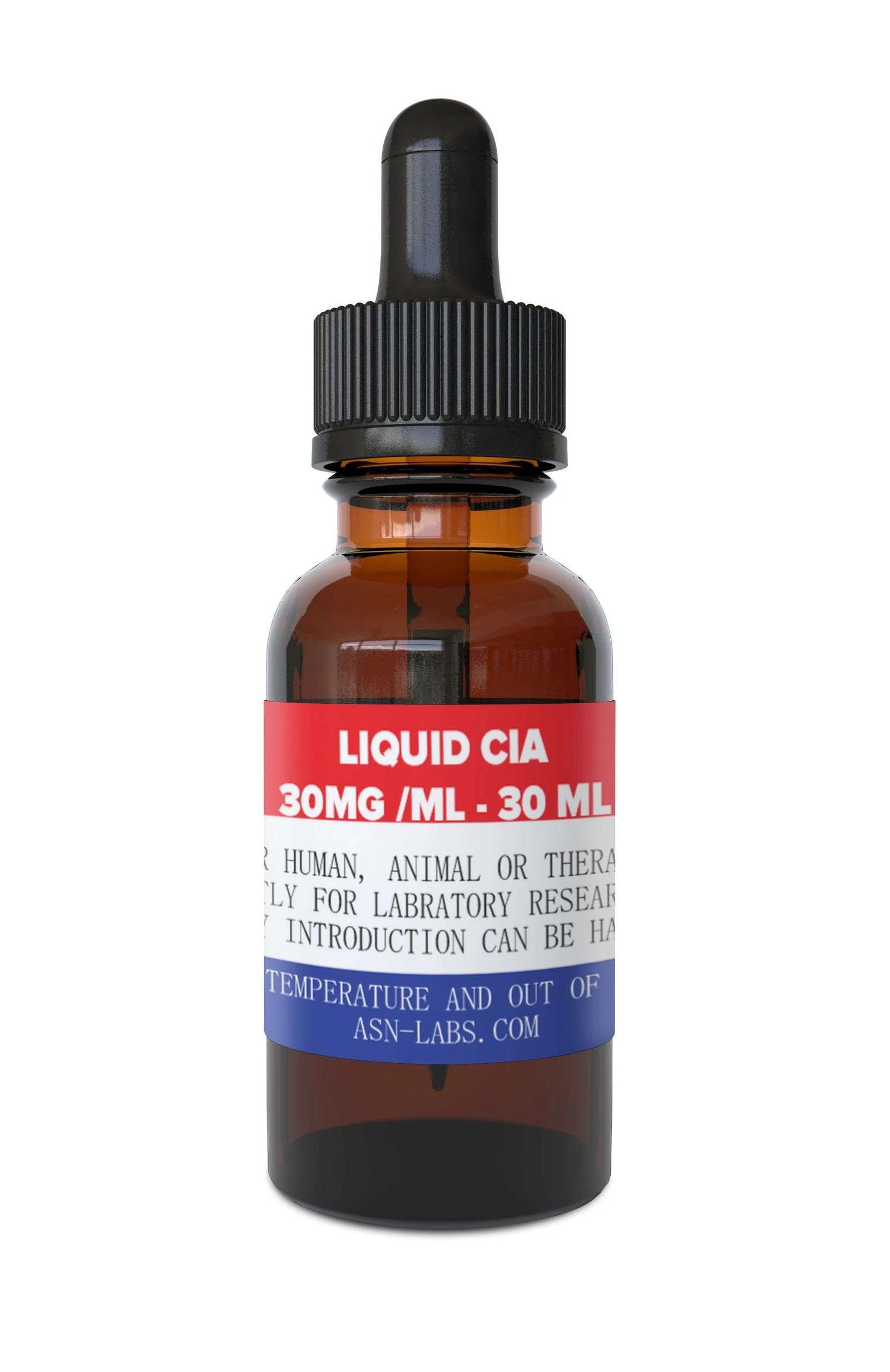
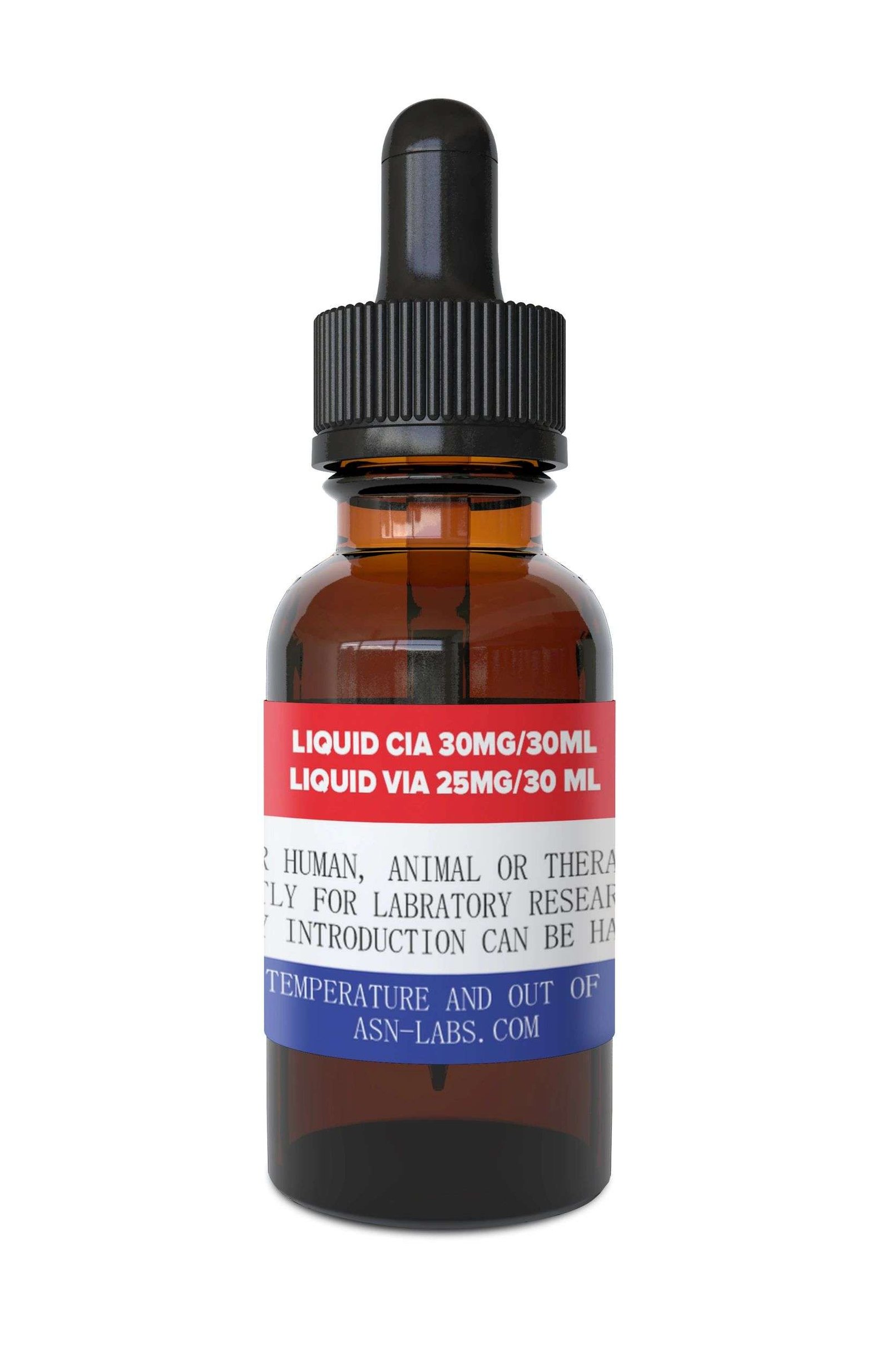
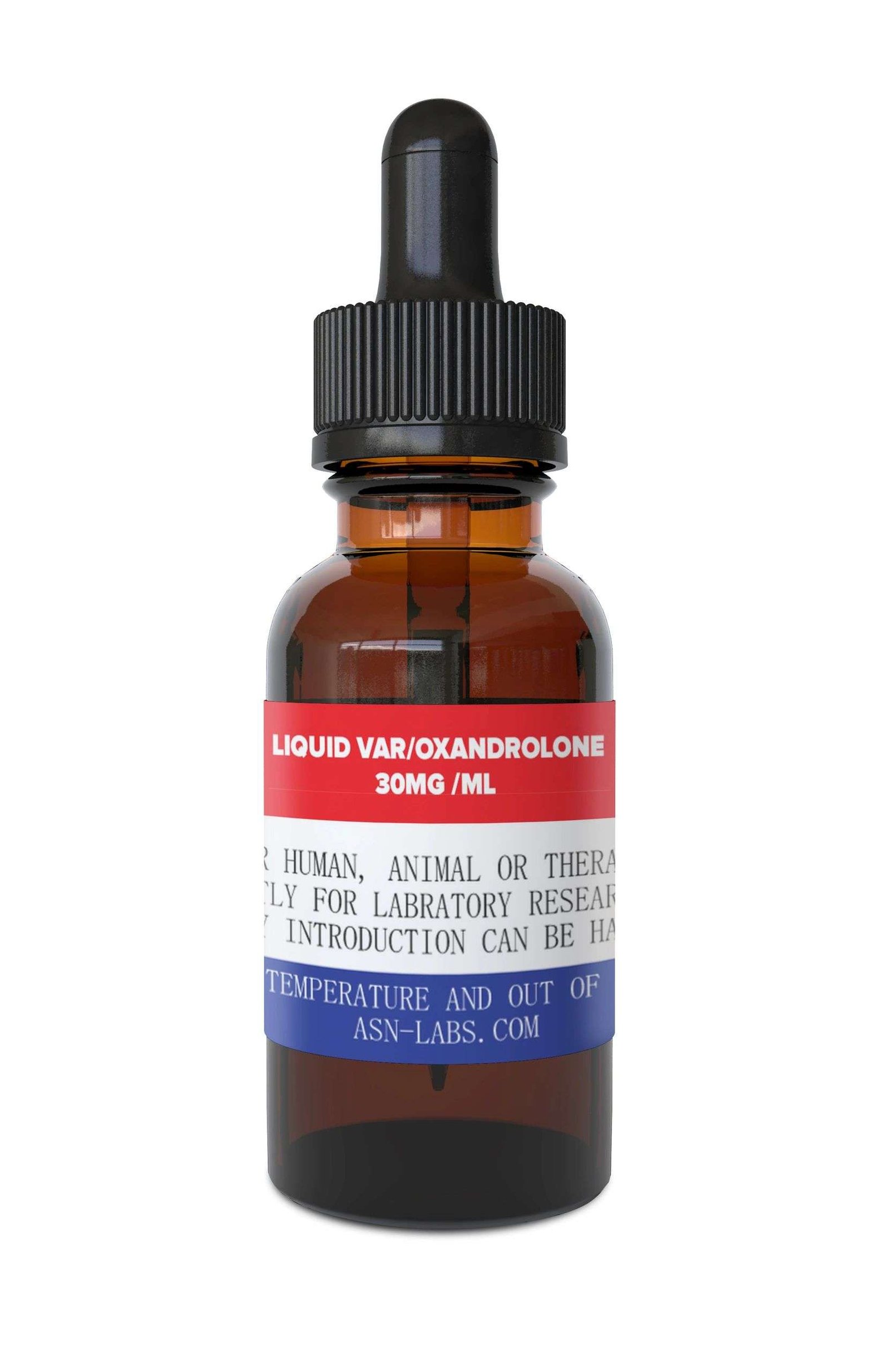
Packaging also tells a story. Labels should identify the compound accurately, state the quantity or concentration, include a lot number when applicable, and carry appropriate research-use language. Products marketed for research use should be labeled accordingly, including clear statements such as not for human consumption. Professional labeling is not just presentation. It helps preserve traceability and reduces avoidable confusion during storage and handling.
Evaluate Product Information for Precision
Serious vendors do not treat every compound as interchangeable. A peptide, a SARM, and a nootropic have different handling considerations, formats, and research contexts. Product pages should give researchers enough information to distinguish one material from another without making unsupported claims or blurring research-use boundaries.
Look for precise naming, clear format descriptions, concentration details where relevant, storage guidance, and instructions on how to access testing documentation. Information should be consistent across the product page, label, COA, and customer support response. Small contradictions can reveal larger gaps in inventory control or product knowledge.
This is also where exaggerated performance language should trigger caution. Performance-minded buyers want materials associated with body composition, metabolic research, cognitive research, or vitality research. That does not justify a supplier making disease-treatment claims, guaranteeing outcomes, or presenting research compounds as consumer supplements. The stronger vendor protects the integrity of its catalog by staying within appropriate research-use positioning.
Check Whether the Vendor Operates Like a Real Business
An ecommerce storefront can be built quickly. A reliable supply operation takes more work. Before placing an order, examine the indicators that show the business can be held accountable after checkout.
A professional vendor should provide a reachable customer service channel, clear shipping and return policies, secure checkout, and realistic fulfillment expectations. Fast nationwide shipping is valuable, especially for time-sensitive research schedules, but promises should match operational reality. Look for transparent processing windows rather than impossible claims.
Reputation deserves attention, with context. Reviews can highlight recurring problems such as missed shipments, poor packaging, mismatched labels, or unresponsive support. They can also be manipulated. Treat testimonials as one input, not final proof. More useful signals are how the vendor handles questions, whether it addresses problems directly, and whether its policies remain consistent over time.
Price should be evaluated the same way. Deep discounts may reflect a legitimate promotion, but they can also indicate poor sourcing, diluted materials, expired inventory, or a business model built around short-term transactions. Premium pricing is not automatic proof of quality either. The question is whether the price is supported by meaningful evidence: testing, accountable manufacturing, packaging standards, and dependable service.
Look for Compliance, Not Convenient Ambiguity
A supplier that takes compliance seriously will not make you guess where it stands. Research compounds require careful handling, responsible communication, and adherence to applicable laws and policies. Clear restrictions, research-use-only labeling, and appropriate customer screening language show that a vendor understands the category it operates in.
Avoid suppliers that encourage misuse, dismiss legal considerations, or market materials with reckless claims. The same lack of discipline that appears in compliance language can show up in sourcing, labeling, and quality control. Responsible positioning is not a drawback for serious buyers. It is evidence that the supplier is built for durability rather than a quick sale.
Payment practices can offer another clue. Secure, established payment processing and straightforward order confirmation typically signal a more accountable operation. A business that relies on confusing payment instructions, refuses to document orders, or changes terms at checkout deserves extra scrutiny.
Use a Pre-Order Verification Process
Before committing to a new vendor, take a measured approach. Request or locate the COA for the exact material you are considering. Confirm that the lot information is current and that the report is readable. Review the product page and label details for consistency. Then contact support with one specific question about testing, storage, or fulfillment.
That interaction can be revealing. A knowledgeable response that addresses the question directly is a positive sign. A copied answer, evasive language, or an inability to explain basic documentation should move the vendor down your list.
For repeat sourcing, document what you receive. Record lot numbers, packaging condition, delivery timing, and the documents supplied with each order. This creates a practical vendor history and makes it easier to spot batch-to-batch inconsistencies. For laboratories and serious independent researchers, this kind of recordkeeping is part of maintaining credible work.
ASN-LABS reflects the standard performance-focused buyers should expect: lab-tested research materials, transparent quality signals, professional fulfillment, and clear research-use positioning. Those factors do not eliminate the need for buyer diligence, but they establish a stronger foundation than marketing claims alone.
The best vendor decision is rarely made from one promise, one review, or one low price. Choose the supplier that makes verification easy, communicates with precision, and treats consistency as a requirement. When your research depends on the material, confidence should be earned batch by batch.