 Orders placed between June 24 and July 5 may experience slight processing delays due to inventory reconciliation and warehouse maintenance.



A peptide can look flawless at checkout and still be the wrong format for the work ahead. The real decision in lyophilized peptides versus liquids is not which option sounds more advanced. It is which format better protects the material, fits the research timeline, and gives the researcher the clearest path to consistent handling.
For serious research buyers, format is part of quality control. A well-manufactured peptide can lose practical value if its storage demands, shipping exposure, or documentation do not match the conditions of the project. Lyophilized and liquid peptide products each have a place, but they are not interchangeable.
What Lyophilized Peptides Are
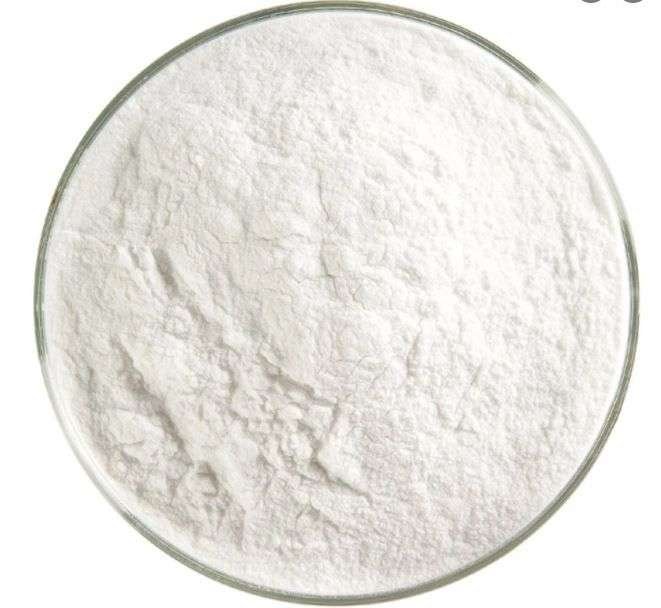
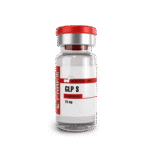
Lyophilized peptides are freeze-dried preparations. During manufacturing, the peptide solution is frozen and water is removed under controlled vacuum conditions. What remains is a dry peptide cake or powder, typically packaged in a sealed vial.
The point is preservation. Removing water can reduce hydrolytic degradation pathways and may improve stability during storage and transport compared with the same peptide kept in solution. That advantage is especially relevant for compounds that may be sensitive to time, temperature changes, or repeated handling.
Lyophilization does not make every peptide permanently stable, and it does not excuse poor manufacturing. A dry vial can still be affected by moisture ingress, heat, oxidation, packaging defects, or inaccurate fill quantity. But when the formulation and packaging are properly controlled, the dry format usually gives researchers more flexibility before the material is prepared for a study.
What Liquid Peptides Are
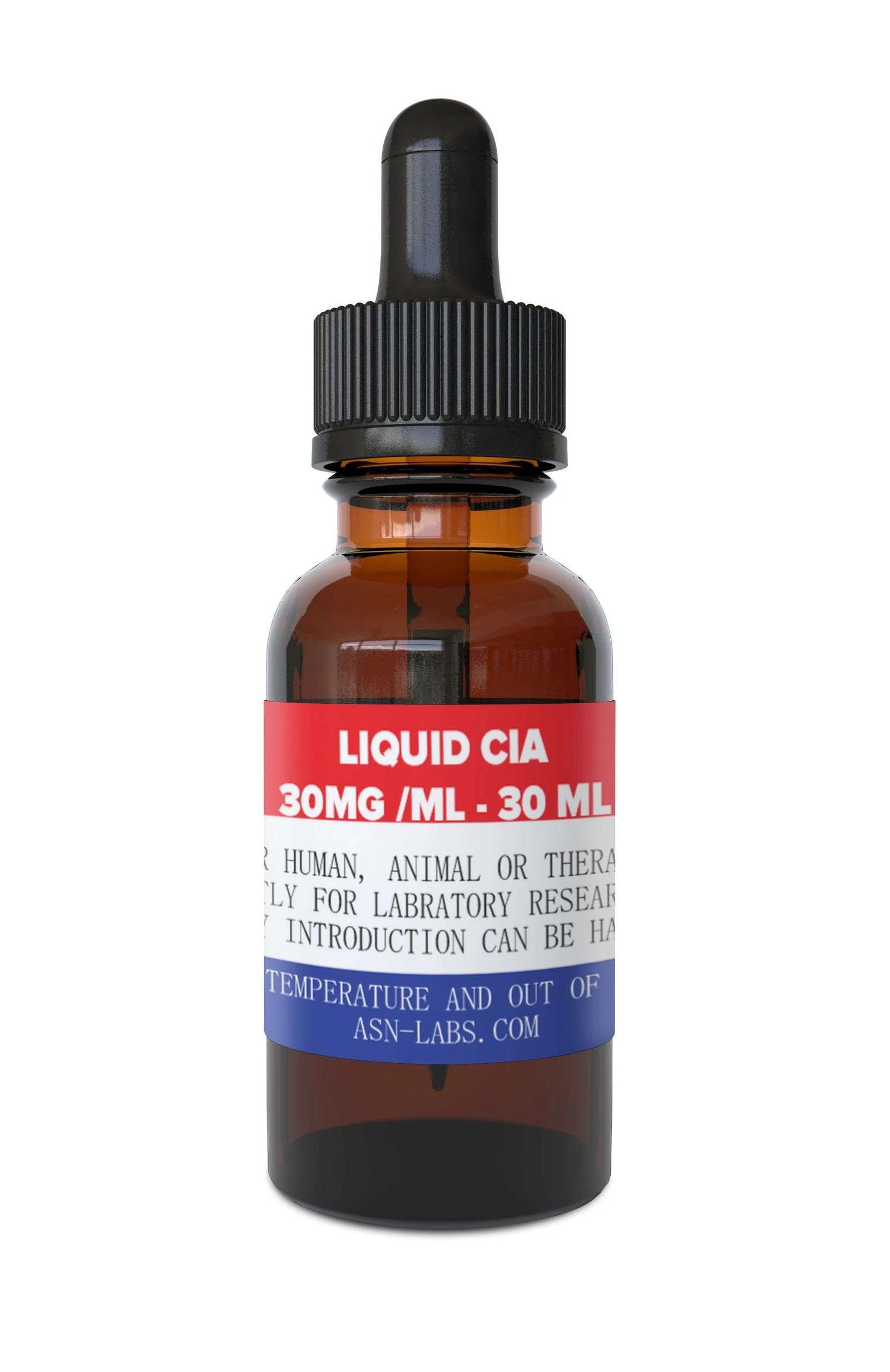
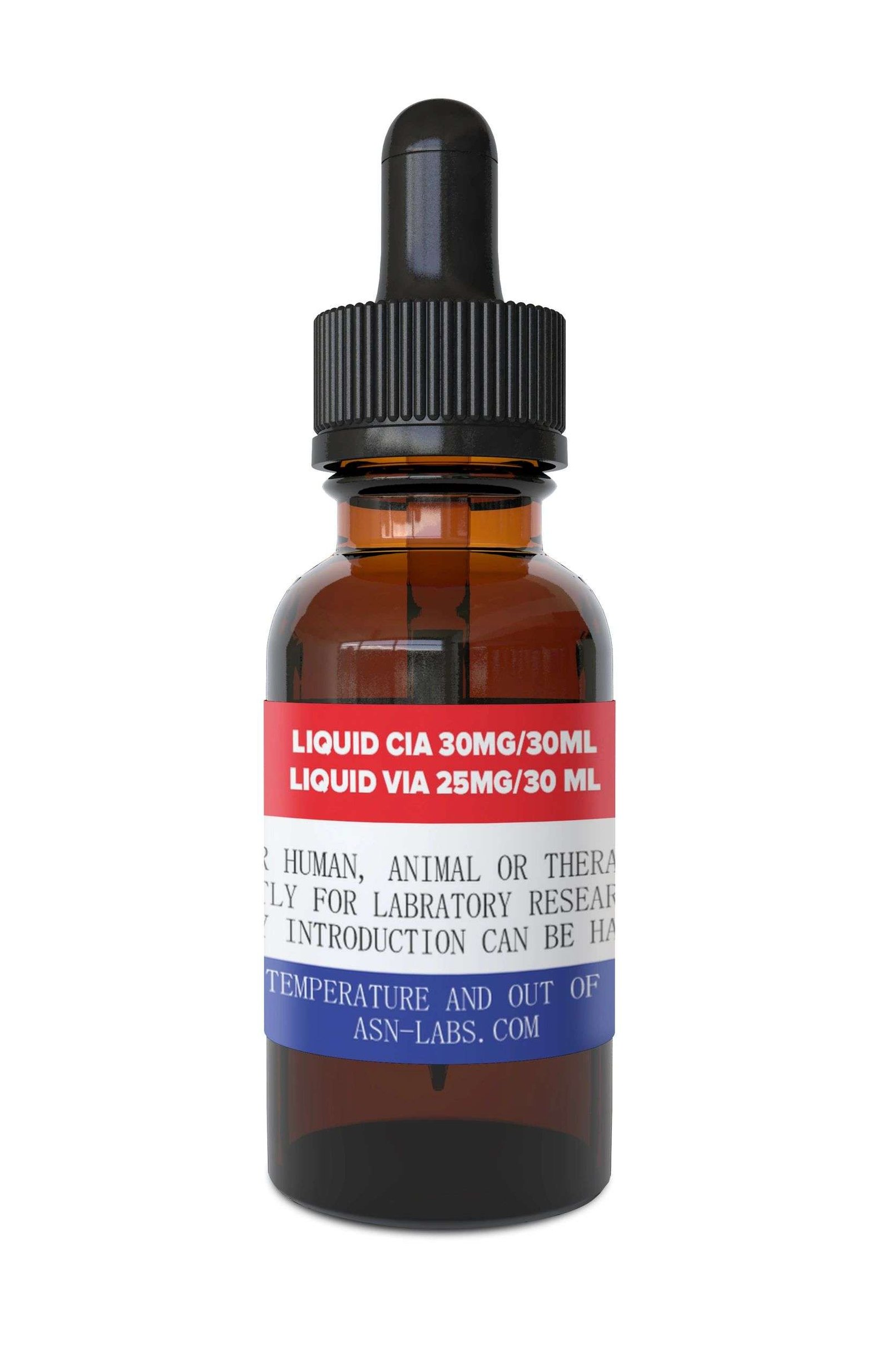
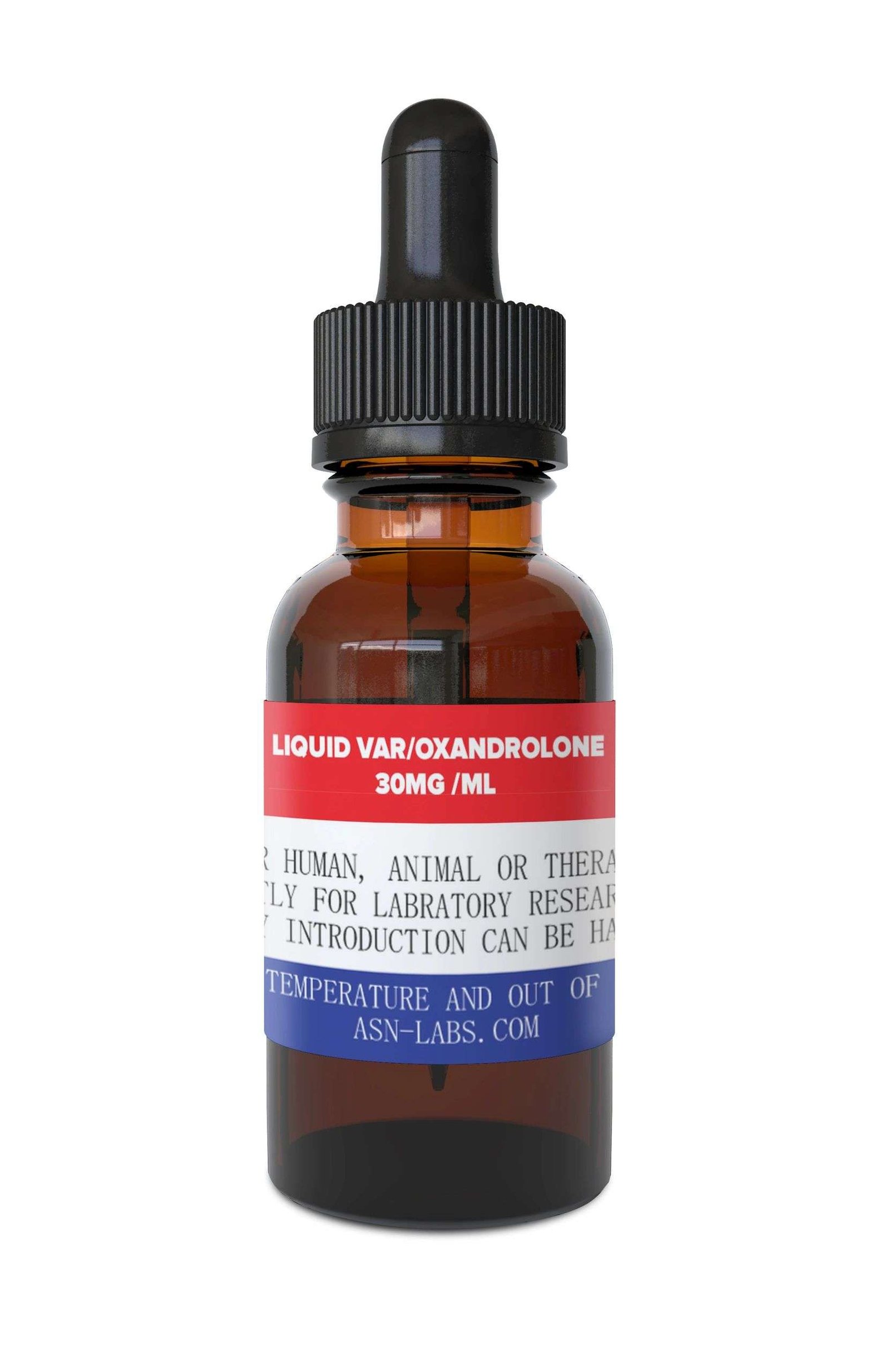
Liquid peptides arrive already dissolved in a carrier solution. That creates an obvious advantage: the compound is supplied in a ready-to-handle format for its intended research workflow. There is no separate preparation stage before use in the protocol.
The trade-off is that water and other solution components can create a more demanding stability environment. Peptide behavior in liquid form depends on multiple variables, including pH, buffer selection, solvent system, container compatibility, temperature exposure, light sensitivity, and time in storage. A formulation that is stable for one peptide may be a poor fit for another.
A liquid product is not automatically lower quality. In fact, a carefully developed liquid formulation with appropriate testing and storage controls can be highly practical for short-duration work or standardized repeat studies. The key question is whether the supplier can support the format with credible information, not whether the vial contains powder or solution.
Lyophilized Peptides Versus Liquids: The Core Differences
The strongest case for lyophilized material is usually stability margin. Dry products are often better suited to projects where inventory may be held before use, where transport conditions are less predictable, or where the researcher needs greater flexibility in timing. A sealed, dry vial also generally avoids the degradation pressure associated with an aqueous environment before the study begins.
Liquids lead on convenience. For a laboratory that needs a consistent prepared format immediately, a liquid can reduce workflow steps and help standardize handling across a narrow research window. That convenience has value, particularly when speed and operational simplicity matter more than extended shelf flexibility.
Shipping creates another practical distinction. Temperature swings are a concern for both formats, but they tend to matter more for peptides already in solution. A dry product may tolerate the logistics chain more favorably, depending on the specific molecule and package design. That is why researchers should evaluate stated shipping conditions and packaging details rather than assuming a cold pack alone proves product integrity.
Storage is equally format-dependent. A reputable supplier should provide clear storage guidance based on the product’s actual formulation, not generic language copied across an entire catalog. If a liquid peptide requires a narrow temperature range, that should be stated plainly. If a lyophilized peptide requires protection from moisture or light, the vial, stopper, seal, and outer packaging should all support that claim.
Stability Is Not Just a Format Question
It is tempting to treat dry as stable and liquid as unstable. Reality is more precise. Stability reflects the interaction of the peptide sequence, impurities, concentration, formulation, container closure, manufacturing conditions, and storage environment.
Some peptides are particularly vulnerable to chemical changes in solution, including oxidation, deamidation, aggregation, or cleavage. Others can be formulated successfully as liquids when the pH, excipients, and storage controls are properly selected. Likewise, a lyophilized cake that shows poor appearance, inconsistent fill, or signs of moisture exposure deserves scrutiny even though it is in the preferred format for longer-term preservation.
This is where testing transparency separates a serious supplier from a commodity seller. Identity and purity testing help establish what was produced. Lot-specific documentation, where available, helps connect those claims to the material in hand. For liquid products, research buyers should also want confidence that the concentration and formulation are controlled, not merely assumed from a label.
Handling and Workflow Considerations
Choose the format that matches the study design, the available equipment, and the team’s documentation standards. Lyophilized products require a controlled preparation workflow before research use. That introduces an additional handling point, which can be an advantage for flexibility but also a source of variability if the laboratory’s procedures are loose.
Liquid products remove that initial preparation step, but they shift the focus to solution integrity. Researchers need to account for the date received, stated storage conditions, visual condition of the solution, container compatibility, and the supplier’s stated in-use expectations. A ready-made liquid only saves time if it remains fit for the intended research window.
For either format, do not make decisions based on vial appearance alone. A clean label, a crisp box, or a white powder is not a substitute for analytical controls. Researchers should verify product name, lot information, declared quantity or concentration, storage guidance, and available quality documentation before the material enters a protocol.
How to Evaluate a Peptide Supplier
Format matters, but supplier discipline matters more. A credible research chemical supplier should be able to communicate product details with precision and maintain standards that support repeatable purchasing decisions.
Look for four signals: transparent third-party analytical testing, clear lot and product identification, manufacturing and packaging practices aligned with quality control, and realistic storage or shipping guidance. Claims such as “high purity” carry more weight when supported by documentation and consistent product information.
ASN-LABS positions its research compounds around lab-tested quality, USA manufacturing standards, and a professional research-use purchasing experience. That kind of supplier focus is valuable because peptide format is only one part of the equation. Consistent sourcing, careful packaging, and traceable product information determine whether a format advantage holds up after the order ships.
Which Format Is the Better Choice?
For projects that prioritize storage flexibility and preservation before preparation, lyophilized peptides are often the stronger choice. The dry format can provide a wider operational buffer, particularly when a study schedule may shift or materials must move through shipping and receiving before use.
For tightly scheduled work that benefits from an already prepared, standardized solution, liquid peptides may be the better fit. The choice makes sense only when the supplier provides formulation-specific guidance and the research environment can maintain the required conditions from delivery through use.
Neither format should be represented as a shortcut around research discipline. These products are intended for laboratory research use only, not for human or veterinary consumption. Qualified researchers should follow institutional requirements, product documentation, and validated internal procedures.
The smart purchase is the one that reduces uncertainty. Match the peptide format to the actual demands of the protocol, then hold the supplier to the same standard: clear data, controlled manufacturing, protective packaging, and no vague claims where precision is required.