 Orders placed between June 24 and July 5 may experience slight processing delays due to inventory reconciliation and warehouse maintenance.



A compound can be analytically pure and still produce weak research if its route, formulation, or handling does not fit the protocol. The oral versus injectable research compounds question is not a simple contest between convenience and potency. It is a study-design decision that affects compound stability, exposure patterns, administration controls, documentation requirements, and the confidence researchers can place in their observations.
For serious research buyers, the right starting point is not a preferred delivery format. It is the experimental objective. Oral and injectable preparations create different variables. Understanding those variables before a compound enters a protocol helps protect data quality and prevents avoidable inconsistencies.
Oral Versus Injectable Research Compounds: The Core Difference
Oral research compounds are designed to be delivered through an oral route in a defined research setting. Injectable research compounds are prepared for parenteral administration under appropriately controlled laboratory conditions. The most meaningful distinction is what happens between administration and the point at which the compound is evaluated.
An oral preparation must contend with the gastrointestinal environment and first-pass metabolism. Those factors can change the amount, timing, and consistency of compound exposure observed in a study. Formulation choices such as capsule, tablet, powder, or liquid vehicle may also influence how reliably researchers can standardize administration.
Injectable preparations can bypass some of those route-specific variables, but they introduce a separate set of non-negotiable requirements. Sterility, solvent compatibility, reconstitution integrity, storage conditions, and aseptic handling become central to the protocol. A route that appears more direct is not automatically more practical or more appropriate.
Neither format is universally superior. The best choice depends on the compound’s chemistry, the model being studied, the desired exposure profile, and the research team’s ability to control the relevant variables.
Oral Formats: Convenience With More Biological Variables
The operational appeal of oral compounds is obvious. They are generally easier to store, inventory, and administer within an established research workflow. For studies where repeated administration and practical scalability matter, an oral format may offer a more manageable process.
That convenience comes with important considerations. Oral administration may produce more variable exposure because absorption can be influenced by formulation, food conditions, gastrointestinal transit, and metabolic conversion. If a protocol requires precise comparisons across test groups, those variables need to be accounted for rather than treated as background noise.
Researchers should also evaluate the compound’s stability in its supplied format. Moisture, heat, light, and repeated opening of a container can affect sensitive materials over time. A disciplined storage plan and clear chain-of-custody records matter as much as the label claim.
Oral preparations may be a strong fit when the research question involves oral delivery itself, when the compound has suitable stability, or when the protocol prioritizes straightforward administration. They are less compelling when the study demands highly controlled systemic exposure and the oral route introduces too much uncertainty.
Formulation Is Part of the Experiment
A label identifies a compound, but it does not eliminate formulation questions. The vehicle, concentration, excipients, and physical form can all shape the way a material performs in a research environment. Two materials with the same named active compound may not behave identically if their formulations differ.
This is why documentation matters. Researchers should retain lot information, certificates of analysis where available, storage records, and any supplied handling guidance. Premium sourcing is not a substitute for protocol discipline, but it gives a study a stronger foundation than relying on unidentified or inconsistently prepared material.
Injectable Formats: More Control, Higher Handling Demands
Injectable compounds are often selected when a study requires an alternative exposure pathway or tighter administration control. Depending on the compound and protocol, this format may reduce certain absorption variables associated with oral delivery. That can be valuable when researchers are focused on timing, comparative bioavailability, or route-specific effects.
The trade-off is a higher handling burden. Injectable materials demand careful attention to sterility and compatibility at every stage. Reconstitution errors, inappropriate solvents, contamination, poor storage, or repeated temperature swings can compromise material integrity and undermine the study before meaningful observations are collected.
For lyophilized materials, reconstitution is especially consequential. The research team must use an approved protocol that specifies the appropriate diluent, handling process, concentration, storage parameters, and permissible hold time. Guesswork has no place in a controlled environment.
A properly managed injectable workflow also requires clear labeling after preparation, lot traceability, date tracking, and defined disposal procedures. These details can feel administrative, but they support reproducibility. When results are unexpected, records make it possible to determine whether the finding reflects the compound, the model, or a preventable handling issue.
Match the Route to the Research Goal
The most reliable way to choose between formats is to work backward from the protocol. Start by defining what the study needs to measure. Is the project comparing route-dependent behavior? Does it require repeated administration over a set period? Is the objective centered on stability, exposure timing, formulation performance, or another defined endpoint?
Next, assess the compound itself. Some materials are more practical in one format because of their physical properties, stability profile, or available analytical documentation. A compound that is difficult to formulate consistently for oral work may create avoidable uncertainty. Conversely, a material that requires stringent injectable handling may not suit a team without the facilities and validated procedures to manage it correctly.
Finally, evaluate operational readiness. An oral study still needs standardized administration and environmental controls. An injectable study requires all of that plus aseptic capability and a rigorous preparation workflow. The route should fit the lab’s actual capacity, not an assumed advantage.
Quality Controls That Matter in Both Formats
Whether a study uses oral or injectable research compounds, product quality and process quality must work together. High-purity material is essential, but it cannot correct weak storage practices, incomplete records, or an inconsistent protocol.
A credible sourcing standard begins with transparent identity and purity information, lot-level traceability, and appropriately documented testing. For performance-oriented research categories such as peptides, SARMs, nootropics, and metabolic compounds, consistency across lots can be particularly important when researchers are comparing outcomes over time.
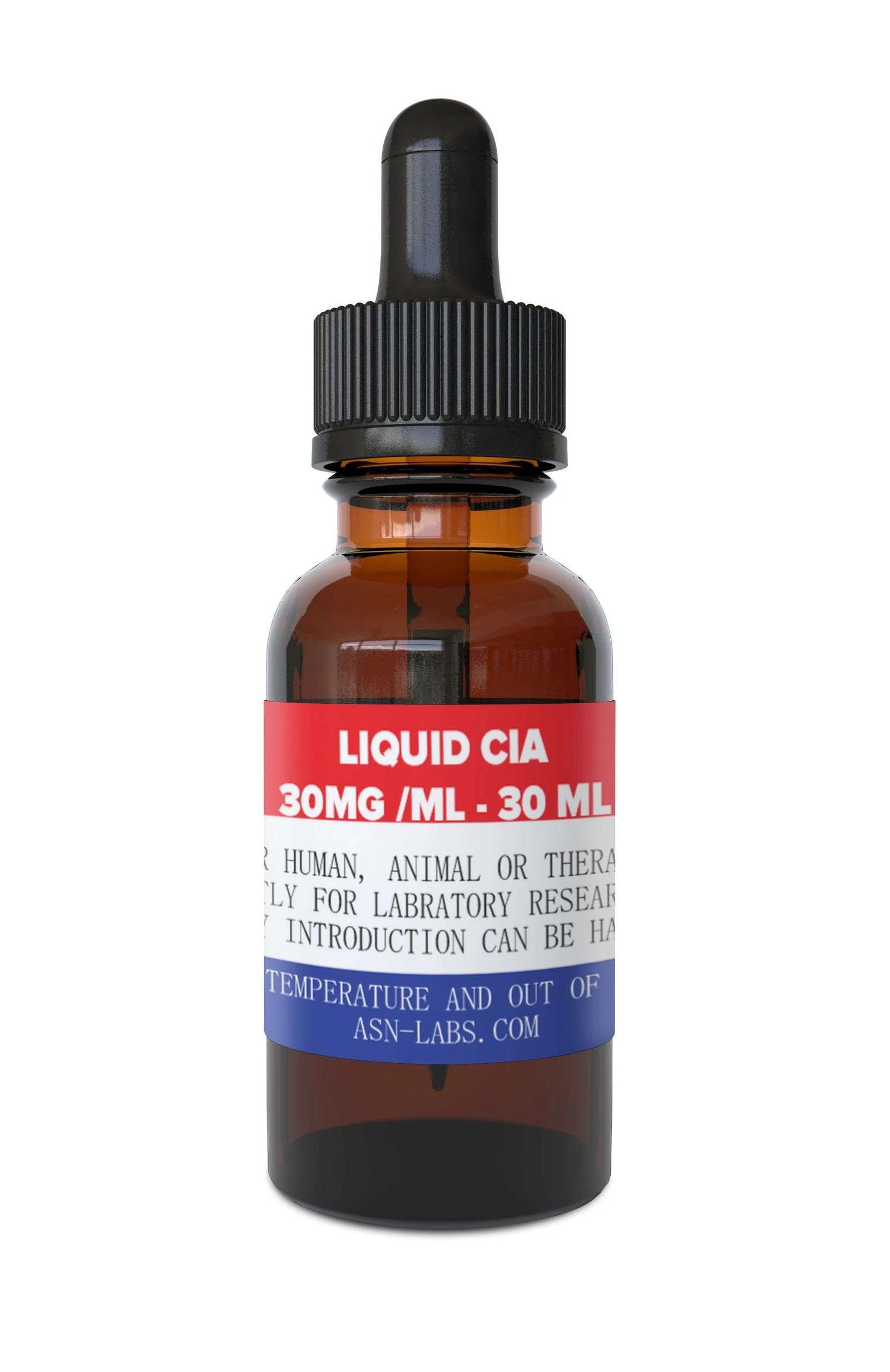
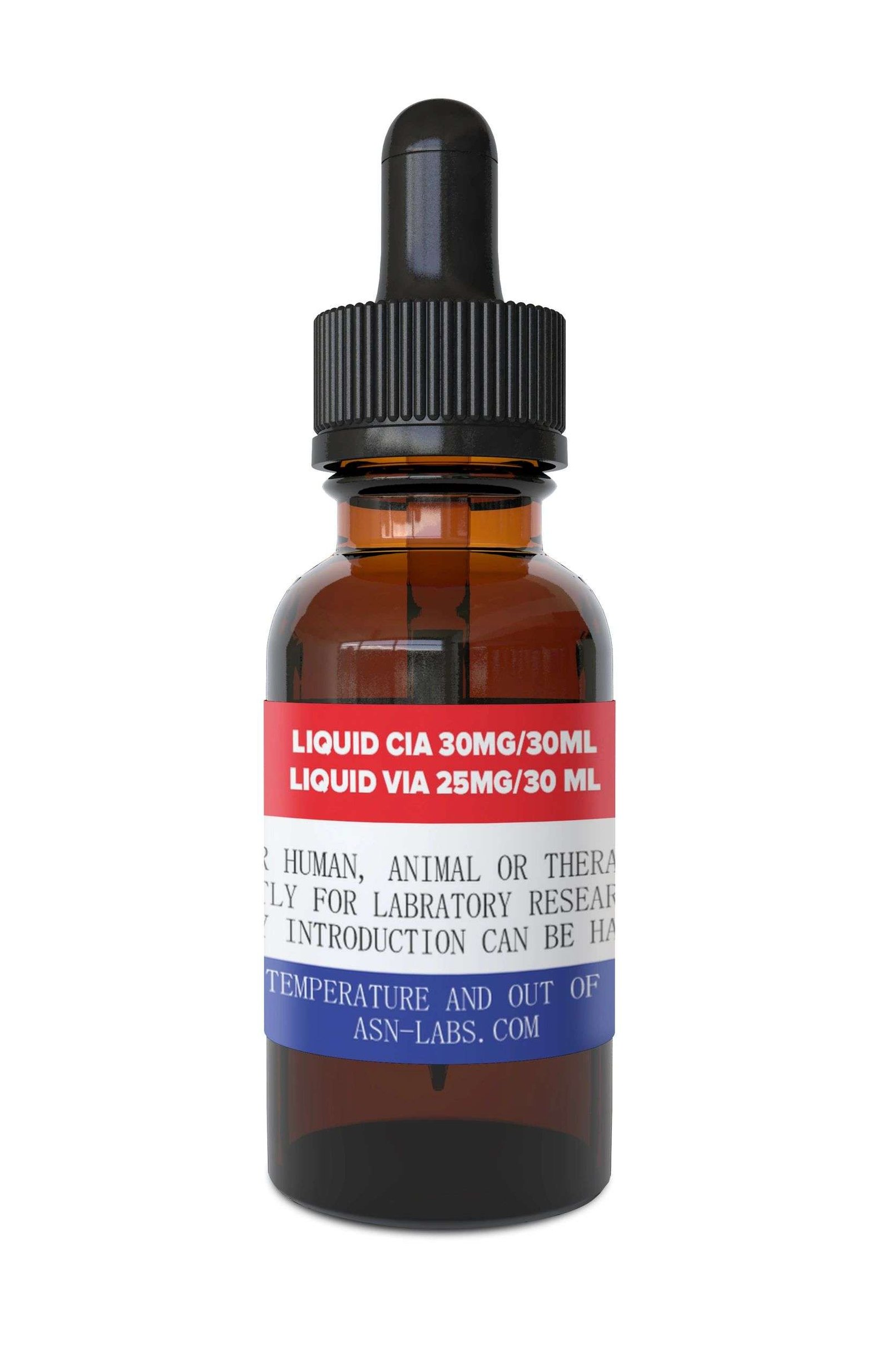
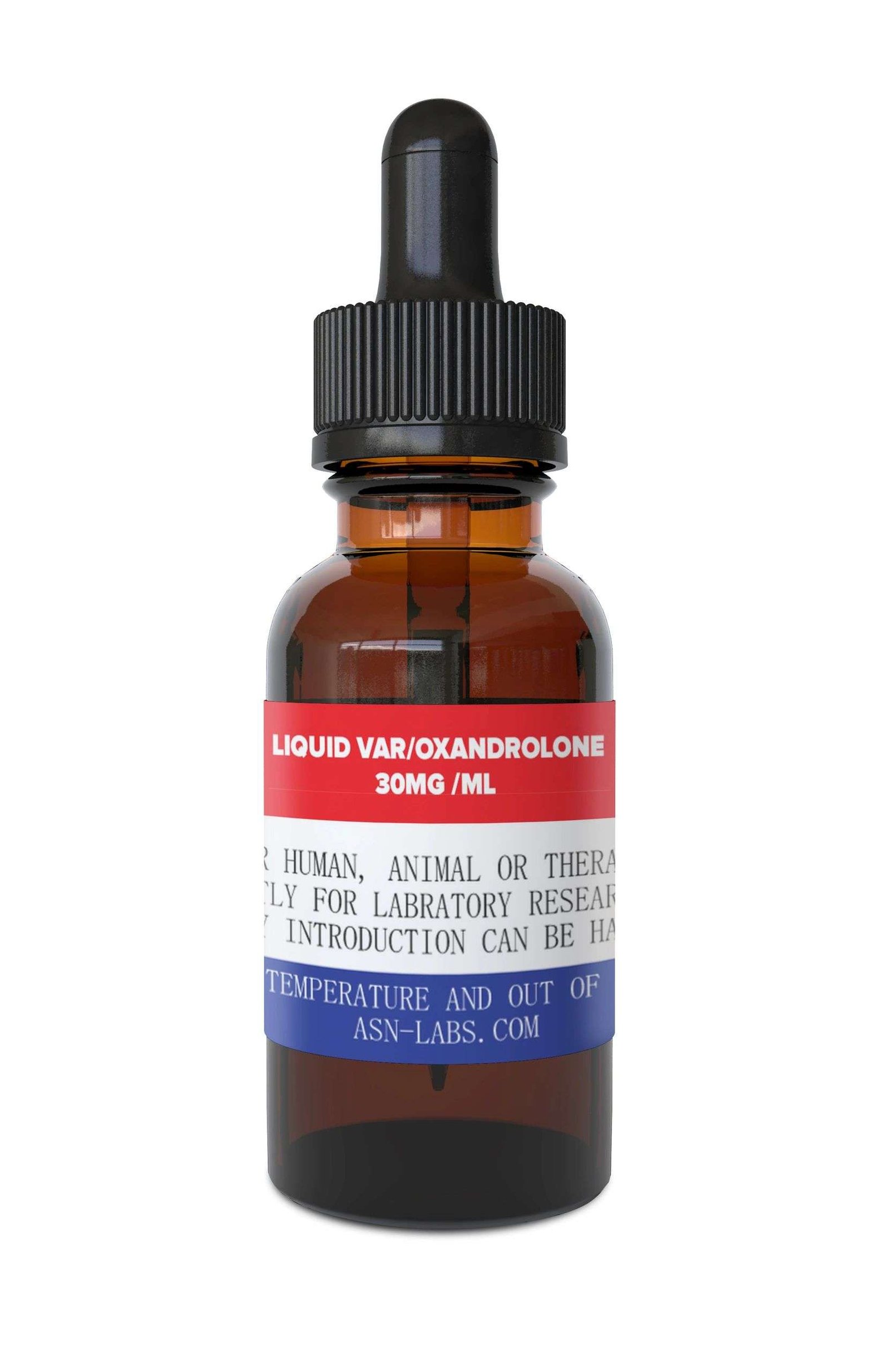
At ASN-LABS, the focus on lab-tested, USA-manufactured research materials is built around that need for dependable sourcing. Still, every material must be handled according to its documentation and used only within legitimate research frameworks.
The operational controls should be equally deliberate: verify the label against the study plan, inspect packaging on arrival, log receipt dates and lot details, maintain specified storage conditions, and avoid cross-contamination. If a preparation changes appearance, has been exposed to unknown conditions, or falls outside the documented storage window, it should not be treated as reliable study material.
Common Decision Errors to Avoid
One common error is assuming injectable always means stronger or more precise. It may offer a different route of administration, but precision depends on validated preparation, administration consistency, and appropriate study controls. Without those elements, an injectable format can create more variables than it removes.
The opposite mistake is treating oral delivery as simple enough to need less documentation. Oral formats can be operationally convenient, yet their results may be influenced by factors that need to be controlled and recorded. Convenience is not the same as standardization.
Another mistake is selecting a format based on marketing language instead of technical fit. Terms such as high purity and lab-tested are meaningful quality signals, but researchers should also review the specific compound form, concentration, storage requirements, and available documentation. The right compound in the wrong format can still be the wrong choice for a protocol.
A More Defensible Way to Choose
A disciplined selection process asks a straightforward question: which route produces the cleanest data for this specific objective? That question puts the focus where it belongs. Not on assumptions, not on convenience alone, and not on a one-size-fits-all hierarchy between formats.
Oral research compounds can support practical, repeatable protocols when formulation and route-specific variability are properly controlled. Injectable research compounds can support tightly managed studies when sterile preparation, stability, and documentation standards are in place. The stronger option is the one that aligns with the compound, the research environment, and the level of control the protocol demands.
Better research starts with materials that are clearly identified, consistently prepared, and handled with precision. Choose the route that your study can defend from first receipt through final observation.