 Orders placed between June 24 and July 5 may experience slight processing delays due to inventory reconciliation and warehouse maintenance.



Body-composition research is only as useful as the question behind it. The best compounds for lean research are not automatically the most aggressive or most heavily marketed options. They are the candidates that match a defined research objective, have a mechanism worth isolating, and come with the documentation needed to support credible work. For researchers examining lean-tissue retention, metabolic signaling, energy expenditure, or nutrient partitioning, precision matters more than hype.
These materials are intended strictly for legitimate laboratory research and analytical use. They are not approved for human consumption, are not a substitute for medical care, and should never be treated as a casual shortcut to physique outcomes.
What makes a compound fit lean research?
“Lean” can mean several different things in a research setting. One project may focus on anabolic signaling during a calorie-restricted model. Another may examine fat oxidation, mitochondrial activity, appetite-related pathways, or changes in body composition markers. Those are distinct questions, and they require different candidates.
A serious selection process starts by identifying the primary endpoint. If the goal is to study selective androgen receptor activity, a SARM candidate may be relevant. If the question centers on metabolic endurance signaling, a PPAR-delta or REV-ERB pathway candidate may be more appropriate. Trying to answer every question with one compound creates noise, weakens interpretation, and makes meaningful comparison harder.
The best research choices also have a practical standard behind them: clear identity verification, reported purity, batch consistency, and reliable handling practices. A label alone is not data. Documentation and analytical transparency are the baseline.
1. Ostarine for selective anabolic signaling research
Ostarine, also known as MK-2866 or enobosarm, is one of the most recognized candidates in SARM-related research. Its relevance to lean research comes from its selective androgen receptor activity and its history as an investigational compound in studies involving muscle-wasting and body-composition-related pathways.
For a controlled project, Ostarine can be useful when the hypothesis involves lean-mass preservation signaling rather than broad androgenic activity. Its popularity also makes it a practical reference point when comparing newer selective androgen receptor modulators against a familiar research benchmark.
That familiarity should not be confused with certainty. Ostarine remains an investigational compound, not an approved treatment or consumer supplement. A quality research program should evaluate identity, purity, stability, and analytical method suitability rather than relying on its name recognition alone.
Where Ostarine fits
Ostarine is best considered when the research priority is selective anabolic pathway investigation. It is less suited to a project built primarily around appetite regulation, direct thermogenesis, or glucose-dependent metabolic signaling.
2. Ligandrol for stronger anabolic comparison work
Ligandrol, commonly identified as LGD-4033, is another SARM frequently discussed in performance-oriented research. It is generally positioned as a more pronounced anabolic research candidate than Ostarine, making it relevant for comparative work where the objective is to examine differences in receptor-mediated signaling intensity.
That distinction matters. Ligandrol is not inherently a “lean” compound simply because it is associated with muscle-focused research. A lean-research framework must account for the full experimental context, including the model used, caloric conditions, activity variables, and the specific tissue markers being measured.
Its strongest use case is comparative: examining whether a more potent selective androgen receptor research candidate produces a distinct profile from a milder reference compound. When a project needs clean interpretation, keeping the comparison narrow is more valuable than adding multiple variables at once.
3. Andarine for receptor-selectivity research
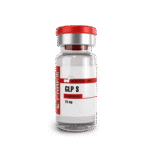
Andarine, or S-4, is another compound often placed in the SARM category. It may be relevant to research teams investigating androgen receptor selectivity and tissue-specific response patterns. It is frequently included in lean-focused discussions because researchers are interested in how selective signaling may differ from conventional androgenic mechanisms.
However, Andarine presents an important trade-off: its profile has been associated with visual-disturbance concerns in reported research contexts. That does not make it a casual exclusion, but it does mean researchers should approach its risk profile with greater scrutiny and maintain strict protocol discipline.
For lean research, Andarine makes the most sense as a mechanistic comparison candidate, not as a default selection. If the goal is simply to investigate metabolic signaling, its receptor-focused activity may not answer the question efficiently.
4. Cardarine for metabolic pathway questions
Cardarine, known as GW501516, is not a SARM. It is a PPAR-delta agonist that has drawn research interest for its relationship to fatty-acid metabolism, endurance-associated signaling, and oxidative pathways. That separate mechanism is exactly why it appears in discussions of compounds for lean research.
Researchers examining metabolic adaptation may find Cardarine more aligned with their hypothesis than a receptor-selective anabolic candidate. It provides a different lens: not primarily lean-tissue signaling, but the pathways that influence substrate utilization and energy metabolism.
The trade-off is substantial. Cardarine has significant safety concerns based on animal research findings, and it is not approved for human use. Any legitimate work involving this compound requires careful risk assessment, appropriate oversight, and a clear understanding of why this pathway is necessary to the research design. It should never be framed as a routine body-composition product.
5. SR9009 for circadian and metabolic signaling studies
SR9009 is commonly discussed in research involving REV-ERB pathways, circadian biology, and metabolic regulation. Its appeal in a lean-research context comes from the relationship between circadian signaling, mitochondrial function, energy expenditure, and metabolic adaptation.
This candidate is especially relevant when the research question is broader than muscle retention or androgen receptor activity. For example, a project focused on timing-dependent metabolic markers or the interaction between clock-related pathways and energy balance may consider SR9009 more relevant than a SARM.
The main limitation is that its pharmacokinetic profile has generated ongoing discussion, particularly around bioavailability and how findings translate across research settings. That makes analytical rigor essential. A compound with an interesting mechanism is not automatically a compound with straightforward experimental interpretation.
Best compounds for lean research depend on the endpoint
There is no single winner because lean research is not one category. Ostarine, Ligandrol, and Andarine are most relevant to selective androgen receptor questions. Cardarine is more closely tied to metabolic and oxidative signaling. SR9009 belongs in projects examining circadian-linked metabolic pathways.
A stronger research plan asks focused questions: Are you measuring receptor selectivity? Lean-tissue markers? Fatty-acid oxidation? Mitochondrial activity? Circadian metabolic regulation? Once the endpoint is clear, unnecessary candidates fall away.
This is also why indiscriminate combinations are a poor research choice. Combining multiple compounds can create confounding effects that obscure the mechanism under review. A clean single-variable design often produces more useful information than an aggressive multi-compound approach.
Sourcing standards are part of the research design
A well-chosen compound is only one part of credible work. Quality control determines whether the material being evaluated matches the material described. Researchers should prioritize suppliers that provide batch-specific analytical documentation, transparent product identification, clear research-use labeling, and consistent fulfillment standards.
Look beyond broad purity claims. Identity confirmation matters. Reported concentration matters. Batch tracking matters. Proper storage guidance and professional packaging matter. These details protect the integrity of the work before the first measurement is recorded.
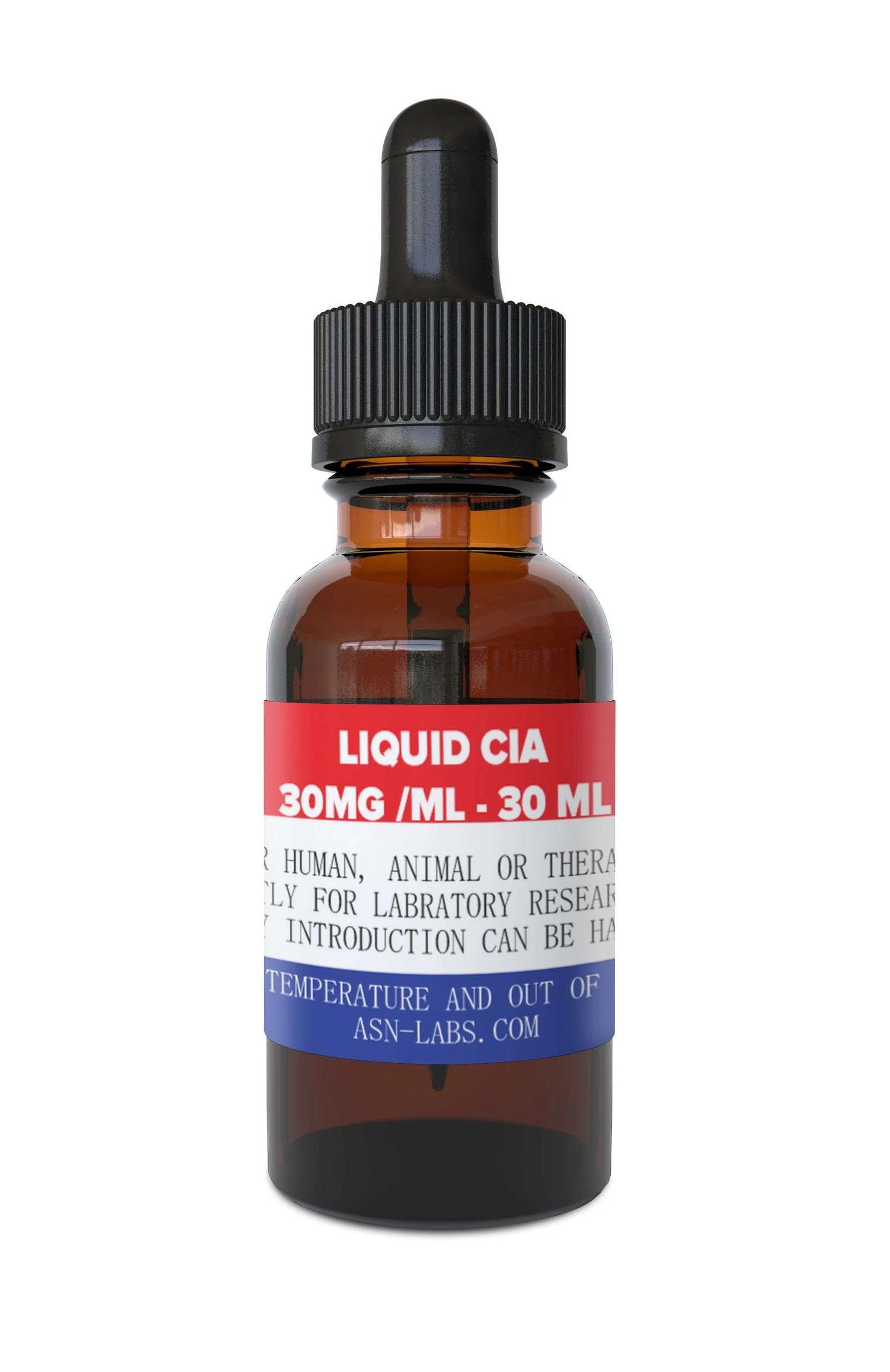
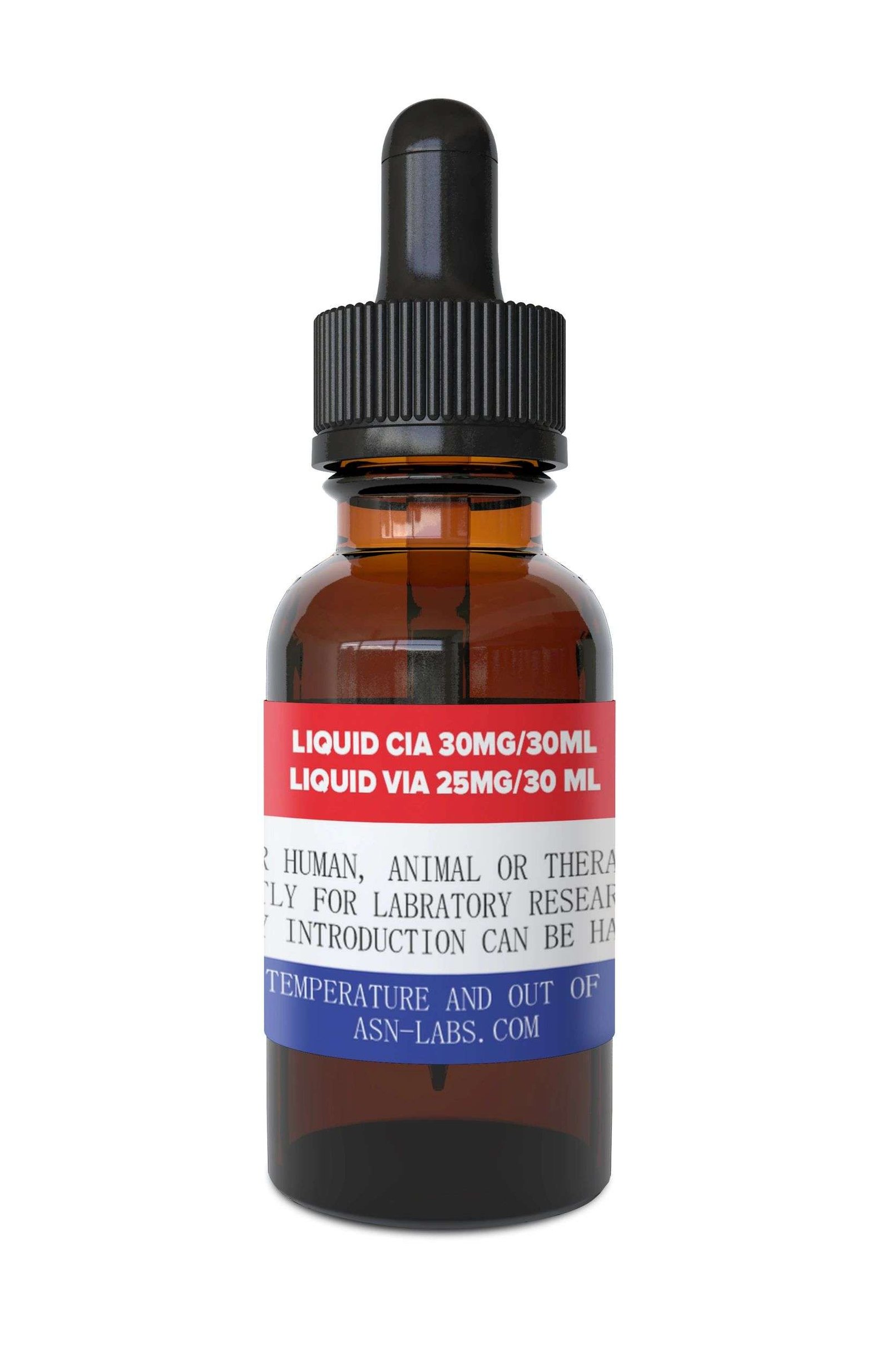
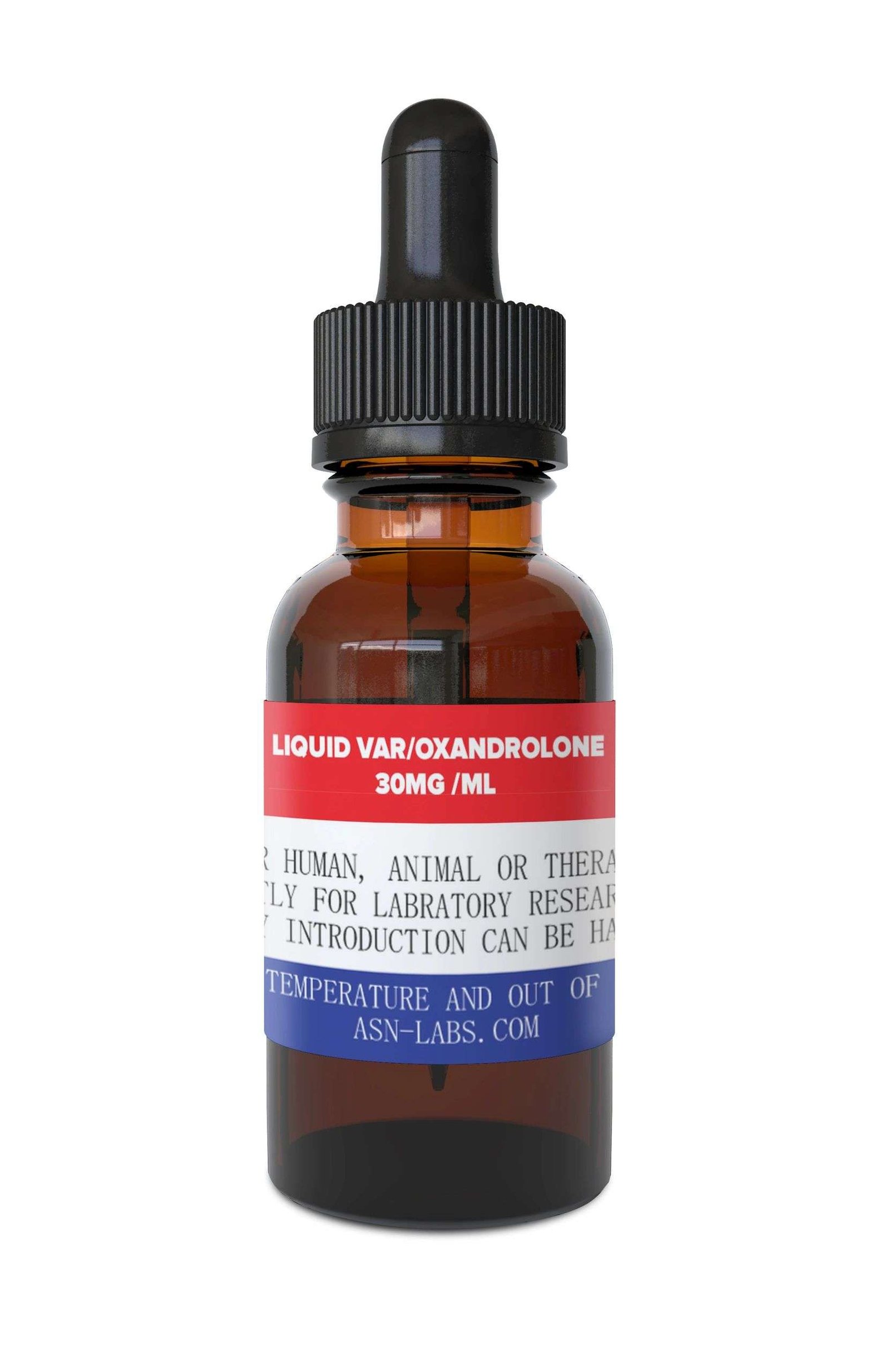
ASN-LABS positions its research compounds around lab-tested quality, U.S.-based manufacturing standards, and transparent research-use compliance. For researchers who refuse to compromise on consistency, those standards should be treated as requirements, not premium extras.
The right lean-research compound is the one that gives your hypothesis a clean test, not the one that promises the loudest outcome. Start with the pathway, verify the material, control the variables, and let disciplined research produce the signal.