 Orders placed between June 24 and July 5 may experience slight processing delays due to inventory reconciliation and warehouse maintenance.



A certificate of analysis is not decorative paperwork. It is the evidence behind a supplier’s purity claim, and it should withstand more than a quick glance at a percentage near the bottom of the page. Knowing how to read SARM COA documentation gives research buyers a practical way to separate batch-specific quality control from generic marketing language.
For performance-focused researchers, the standard should be clear: verify the exact material, the exact lot, the test method, and the results that matter for that material. A COA can support confidence, but only when the document is current, traceable, and relevant to the product in hand.
How to Read SARM COA Documentation Step by Step
Start at the top of the document. A credible COA identifies the compound being tested, usually through a product name and sometimes a chemical name, catalog number, or CAS number. The name must match the material you are evaluating. If the listing says one compound but the COA uses vague wording such as “research sample” with no identifying details, that is not meaningful verification.
Next, find the batch or lot number. This is the bridge between the test result and the actual product batch. The lot number on the COA should match the lot number displayed on the product label, packaging, or supplier-provided batch record. A high-purity result from an unrelated lot does not establish the quality of your sample.
Pay attention to dates as well. Look for the sample receipt date, analysis date, and report issuance date. Testing from several years ago is not automatically invalid, particularly for a stable reference material stored under appropriate conditions, but it is less persuasive as evidence for a current inventory batch. A professional supplier should be able to show testing tied to active production lots rather than relying on one old report indefinitely.
Identity comes before purity
A COA that reports “99% purity” without strong identity evidence leaves a major question unanswered: 99% of what? Purity is only useful after the compound itself has been identified.
For SARMs and similar small-molecule research compounds, liquid chromatography-mass spectrometry, commonly shown as LC-MS, is a valuable identity tool. It can confirm whether the measured molecular mass aligns with the expected compound. A reported mass that does not make chemical sense for the stated material is an immediate red flag.
Nuclear magnetic resonance, or NMR, can provide deeper structural confirmation. It is not present on every routine COA, and its absence alone does not prove poor quality. Still, NMR data or an identity statement supported by NMR adds weight when a buyer is evaluating a high-value research material or comparing suppliers. The strongest quality documentation often uses more than one analytical approach because no single method answers every question.
Read the purity result in context
High-performance liquid chromatography, or HPLC, and ultra-high-performance liquid chromatography, or UPLC, are commonly used to estimate purity. In simple terms, these methods separate compounds in a sample and measure the relative size of the resulting peaks. A result reported as 98%, 99%, or higher may look decisive, but the number needs context.
First, check whether the report labels the result as assay, chromatographic purity, area percent, or potency. These terms are related but not interchangeable. Chromatographic area percent estimates the relative signal from the main peak compared with other detected peaks. Assay can refer to the measured amount of the target analyte under a defined method. Potency may be used differently depending on the laboratory and product format.
Second, look for the acceptance specification. A result has more value when the COA states both the target and the outcome, such as “Specification: not less than 98.0%; Result: 99.2%.” That shows the lab evaluated the material against a defined quality threshold instead of merely reporting a number.
Do not treat a 99% claim as a universal guarantee. The remaining 1% can matter, and chromatographic purity does not automatically identify every impurity. What matters is whether the available testing, lot traceability, and supplier controls are appropriate for the material and its intended research application.
What a Strong SARM COA Should Show
A serious COA is readable, specific, and internally consistent. It should include the test laboratory or analytical facility, a unique report number, the sample identifier, lot number, test date, methods used, specifications, results, and an analyst or quality authorization. Documents may also include chromatograms, mass spectra, or other raw-data excerpts.
The test method matters because it tells you what the result can actually support. HPLC can be excellent for routine purity testing, while LC-MS strengthens identity confirmation. Testing for residual solvents may be particularly relevant when organic solvents are used during synthesis or processing. Depending on the material and its physical form, additional panels may cover water content, heavy metals, microbial limits, or elemental impurities.
Not every compound requires every possible test. That is the trade-off. A dry, synthetic small-molecule research material does not carry the same microbiological risk profile as a biological preparation, while a peptide or solution may demand a broader contamination review. The right question is not “Does this COA have the most pages?” It is “Does this testing address the realistic quality risks for this specific batch?”
Red Flags That Deserve a Second Look
A polished PDF is not the same thing as credible analytical documentation. Watch for COAs with no laboratory name, no report number, no lot number, or no analytical method. A document that lists only a product name and a 99% result offers very little basis for verification.
Formatting can reveal problems too. Misspelled compound names, inconsistent dates, vague signatures, copied language across supposedly different batches, and results that appear identical down to multiple decimal places across every lot should prompt questions. So should a report where the label says one compound but the CAS number, molecular mass, or chromatogram references another.
Be cautious with QR codes as well. A QR code can be convenient, but it is not proof by itself. It should lead to batch-specific information that agrees with the physical product. If it leads only to a generic homepage, a broad marketing page, or an undated report with no matching lot number, it has limited quality-control value.
Third-party testing is a meaningful trust signal only when the third party is identifiable and the report is traceable. Ask whether the laboratory is independent, whether the sample was submitted from the production lot, and whether the supplier can confirm chain of custody. A lab can accurately test the sample it received, but a COA cannot prove that the sample came from the same inventory shipped to every customer unless batch controls connect those steps.
Verify the Product, Not Just the Paperwork
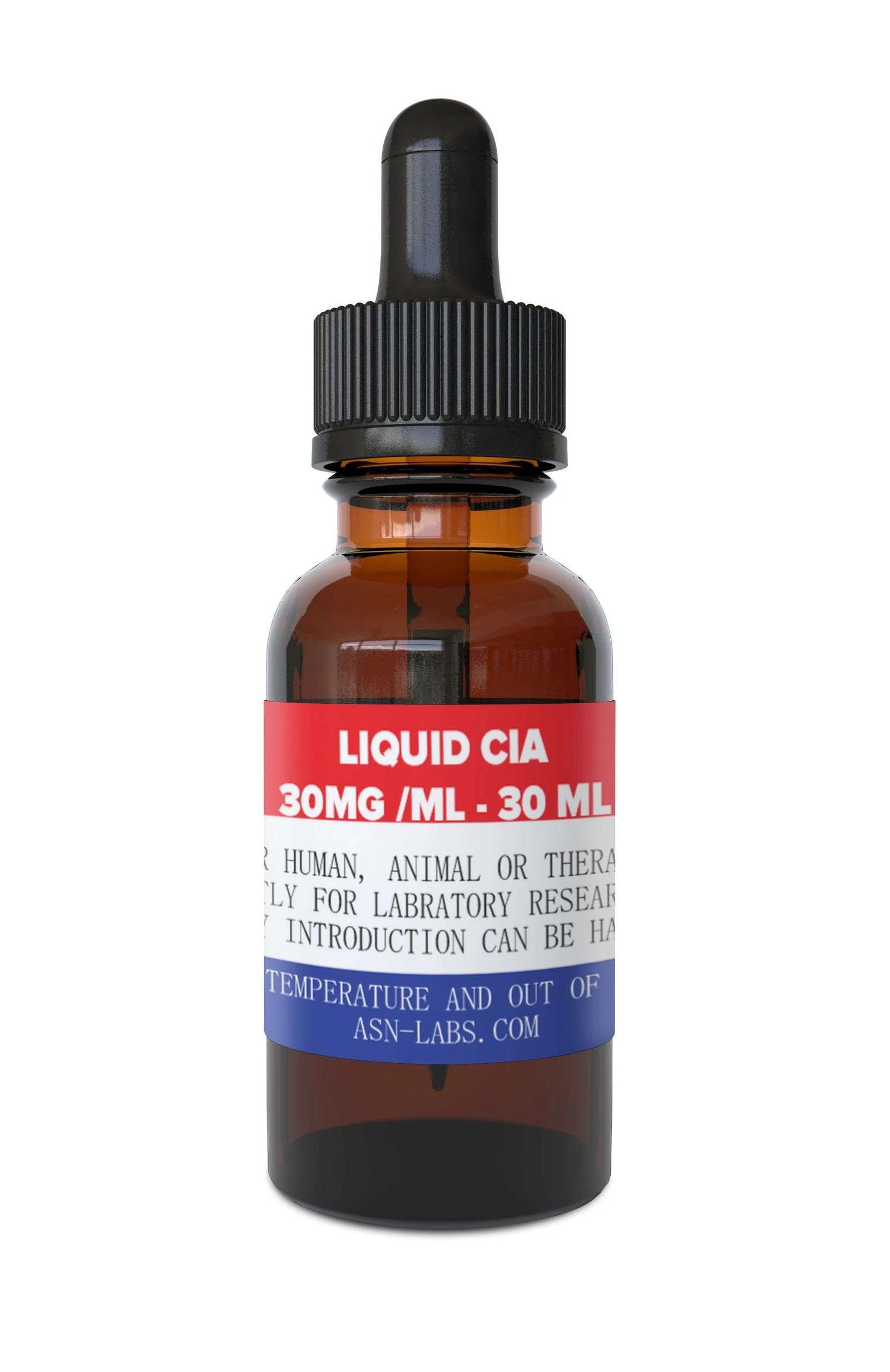
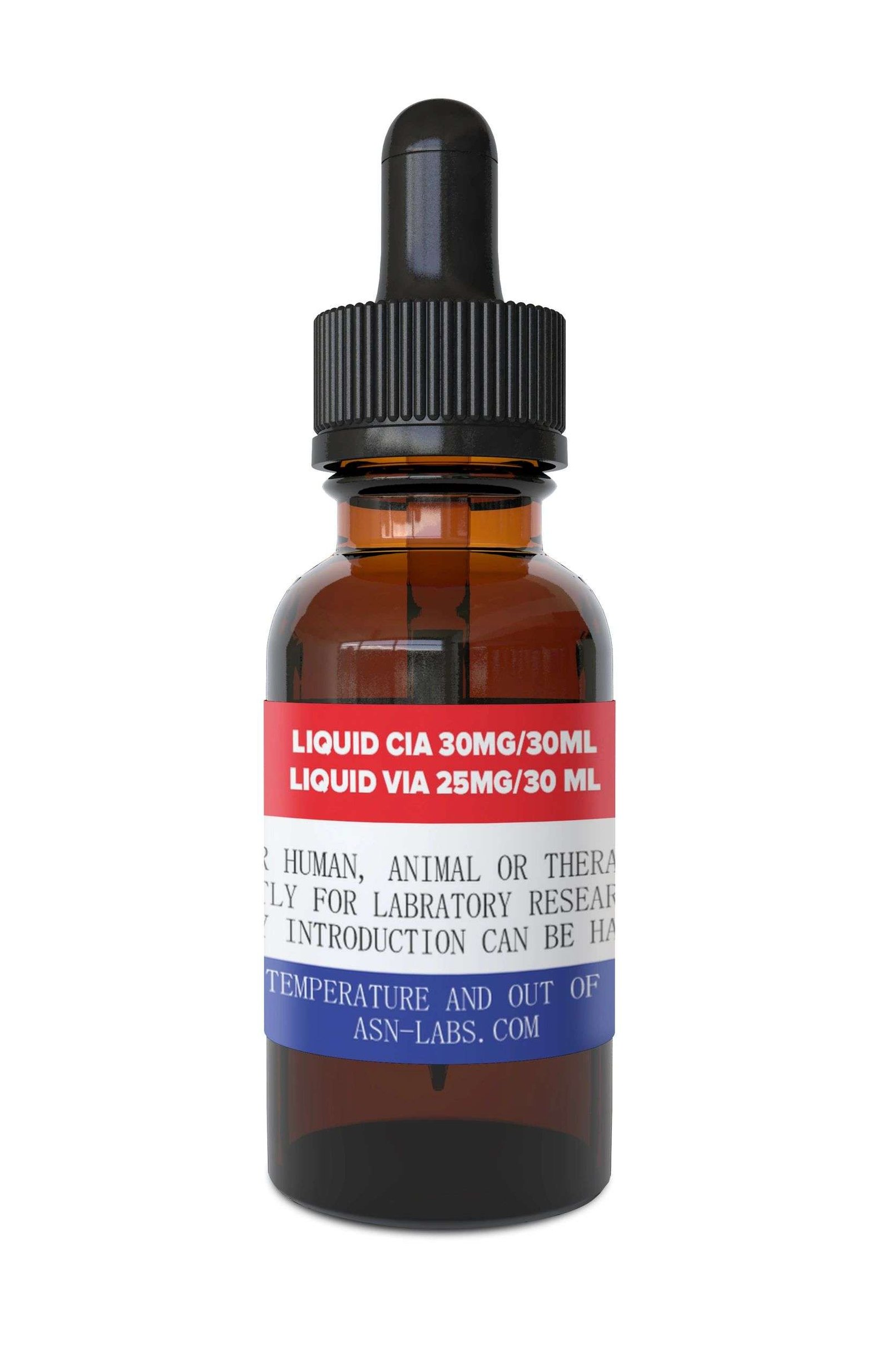
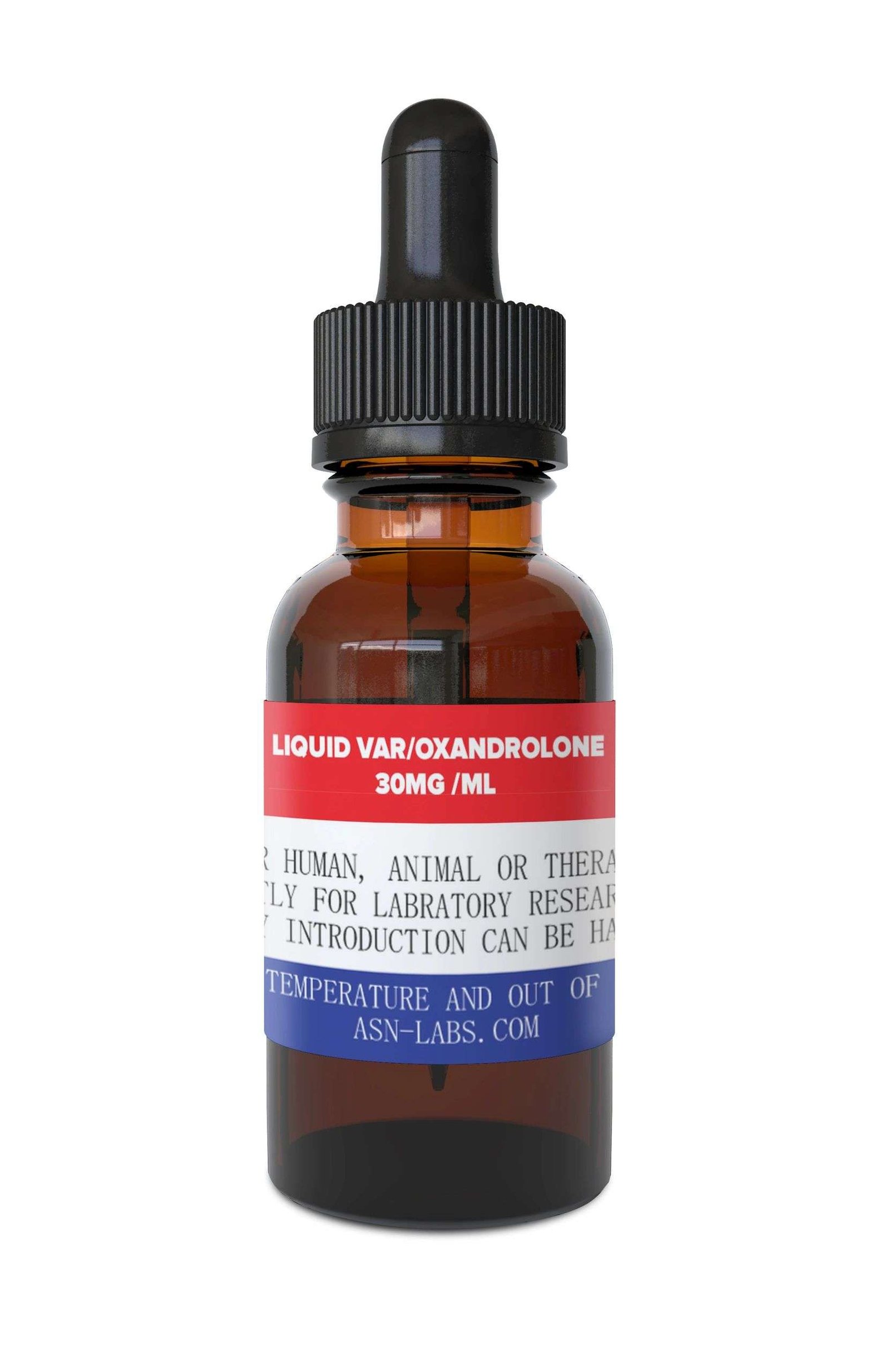
The best review process compares three things: the product label, the supplier’s product information, and the COA. The compound name, lot number, presentation, and claimed concentration or mass should align across all three. If you are evaluating a solution, make sure the COA addresses the concentration and solvent system where applicable, not merely the purity of a raw starting material.
This is where supplier discipline matters. A trusted research supplier should make it straightforward to identify the batch behind a product, understand what the reported result means, and request clarification when a result is unclear. ASN-LABS positions testing transparency as part of a quality-first research supply standard, but the same standard should apply to any source you evaluate.
A COA also does not replace sound research practices. Research compounds are not approved for human consumption, and a document showing identity or purity does not establish safety, efficacy, legality, or suitability for any particular use. It only helps answer a narrower, essential question: whether a defined sample appears to meet its stated analytical specifications.
When a supplier makes a strong purity claim, ask for documentation strong enough to carry that claim. Match the lot. Read the method. Confirm identity before admiring the percentage. That disciplined approach turns a COA from a marketing attachment into a real quality-control tool.