 Orders placed between June 24 and July 5 may experience slight processing delays due to inventory reconciliation and warehouse maintenance.



A premium label is not proof of a premium research material. For serious buyers, research compliance is the discipline behind every credible purchase decision: confirming what a material is, how it was handled, what documentation supports it, and whether its intended research use is lawful and appropriate.
That standard matters most in categories where demand moves fast and product claims can outrun verification. SARMs, peptides, nootropics, and performance-oriented compounds require more than bold branding. They require a documented chain of quality controls, clear research-use positioning, and buyers who understand the difference between a marketing claim and evidence.
What Research Compliance Actually Means
Research compliance is not one document, one warning label, or a checkbox at checkout. It is the combined set of practices that helps keep research materials properly represented, traceable, stored, and used within applicable rules.
For a supplier, that starts with accurate product identity and batch-level consistency. For a buyer, it means reading product information carefully, retaining documentation, following handling instructions, and refusing to treat research materials as approved consumer products. The strongest compliance framework protects both sides: the supplier maintains standards, while the purchaser makes informed, responsible decisions.
This is especially relevant when a compound is sold for research use only. That designation is not decorative language. It defines the product’s intended channel and places clear boundaries around how it may be marketed, purchased, handled, and discussed.
Why Documentation Separates Serious Suppliers
In a crowded market, documentation is where credibility becomes measurable. A seller can claim purity. A serious supplier can support that claim with records tied to the specific material and batch.
A certificate of analysis is often the first record buyers look for, but it should not be the last question asked. The useful question is whether the documentation identifies the product, the lot or batch, the testing method where applicable, the reported result, and the testing source. A generic report with no meaningful connection to the material in hand offers far less confidence than batch-specific documentation.
Buyers should also consider the supplier’s quality process as a whole. Are materials produced under controlled conditions? Is there a defined approach to identity, purity, packaging, labeling, and retention of records? Are storage and fulfillment handled in a way that supports product stability? A credible answer may vary by compound and format, but vague promises should never be enough.
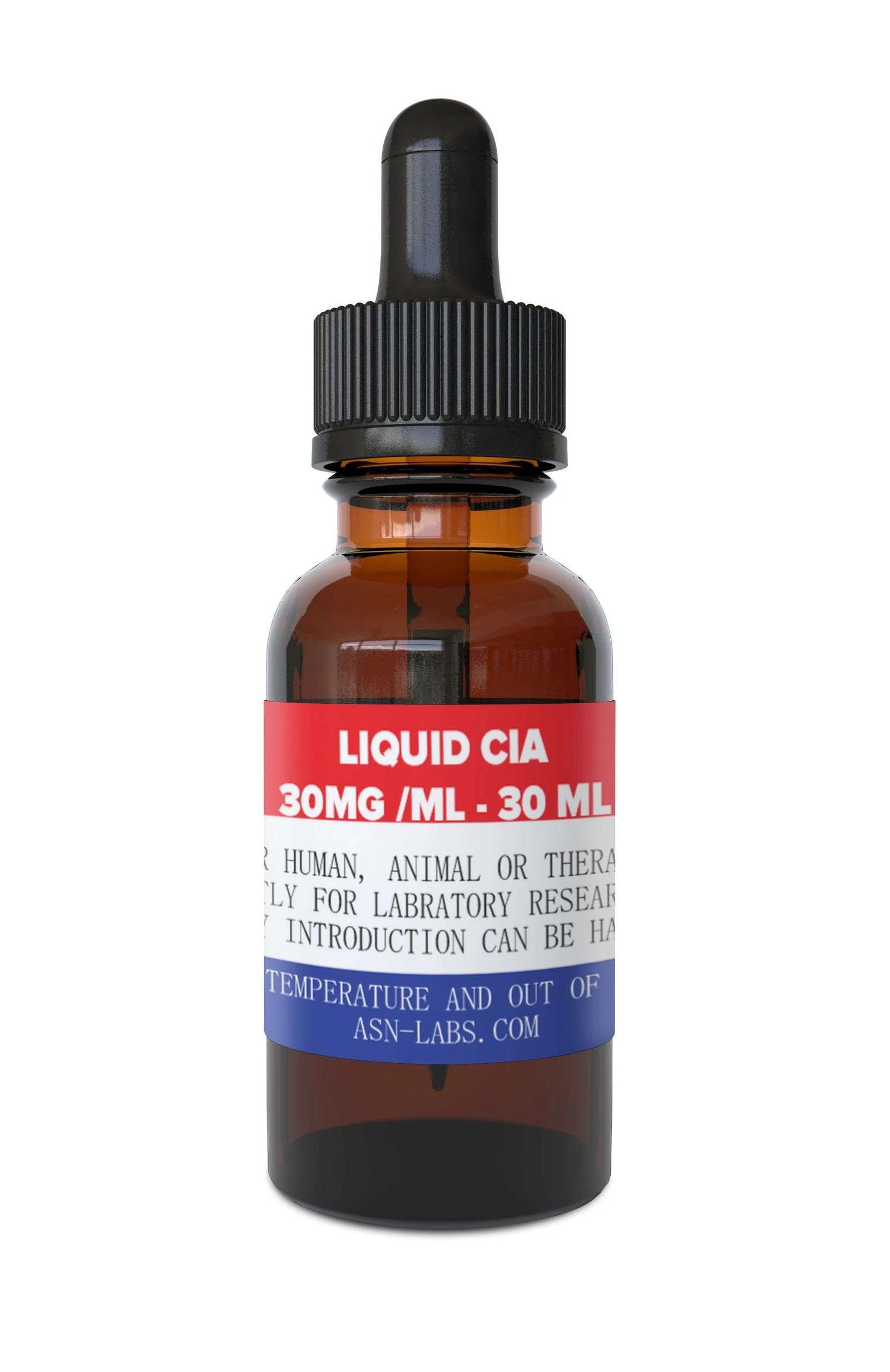
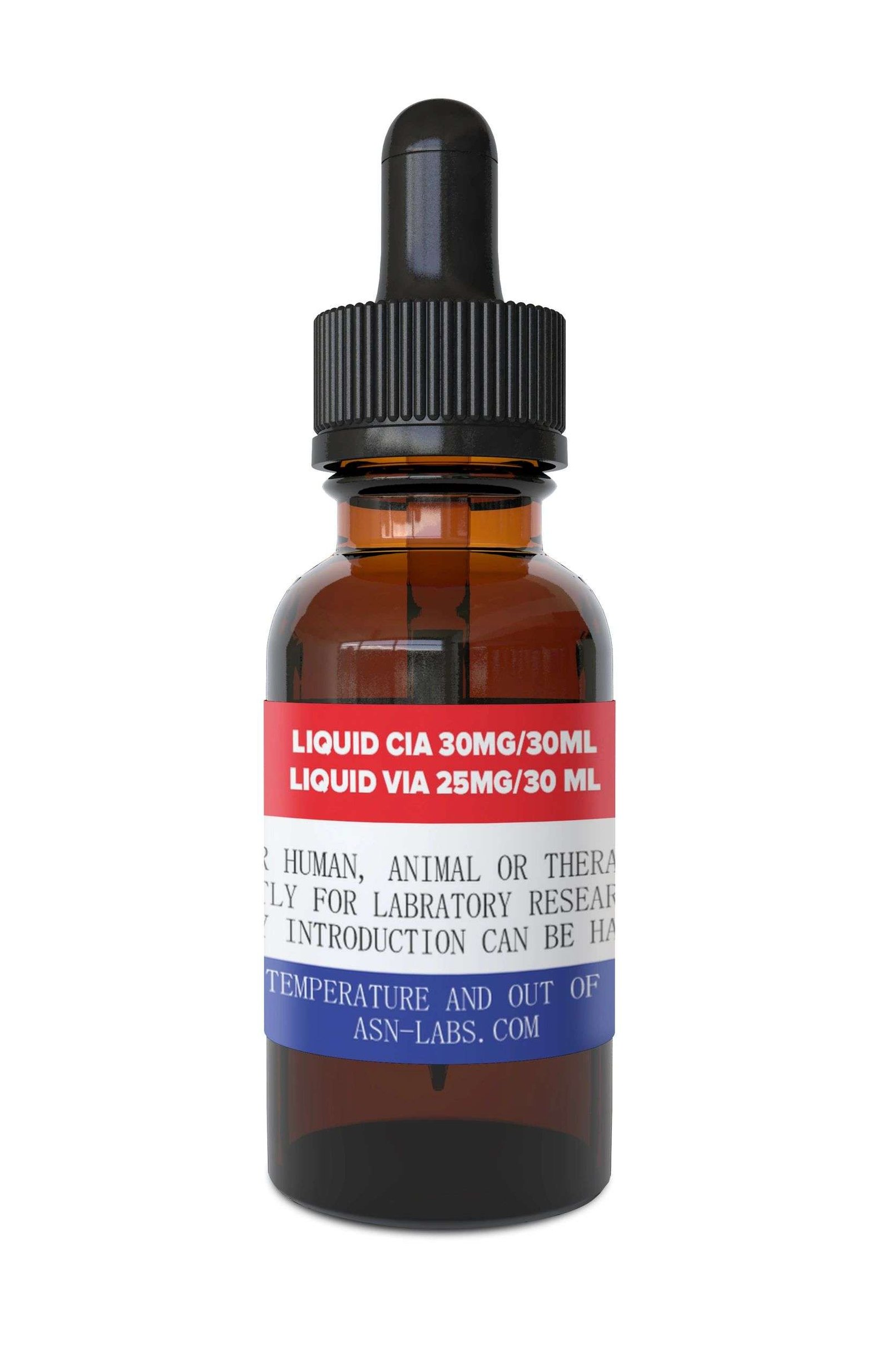
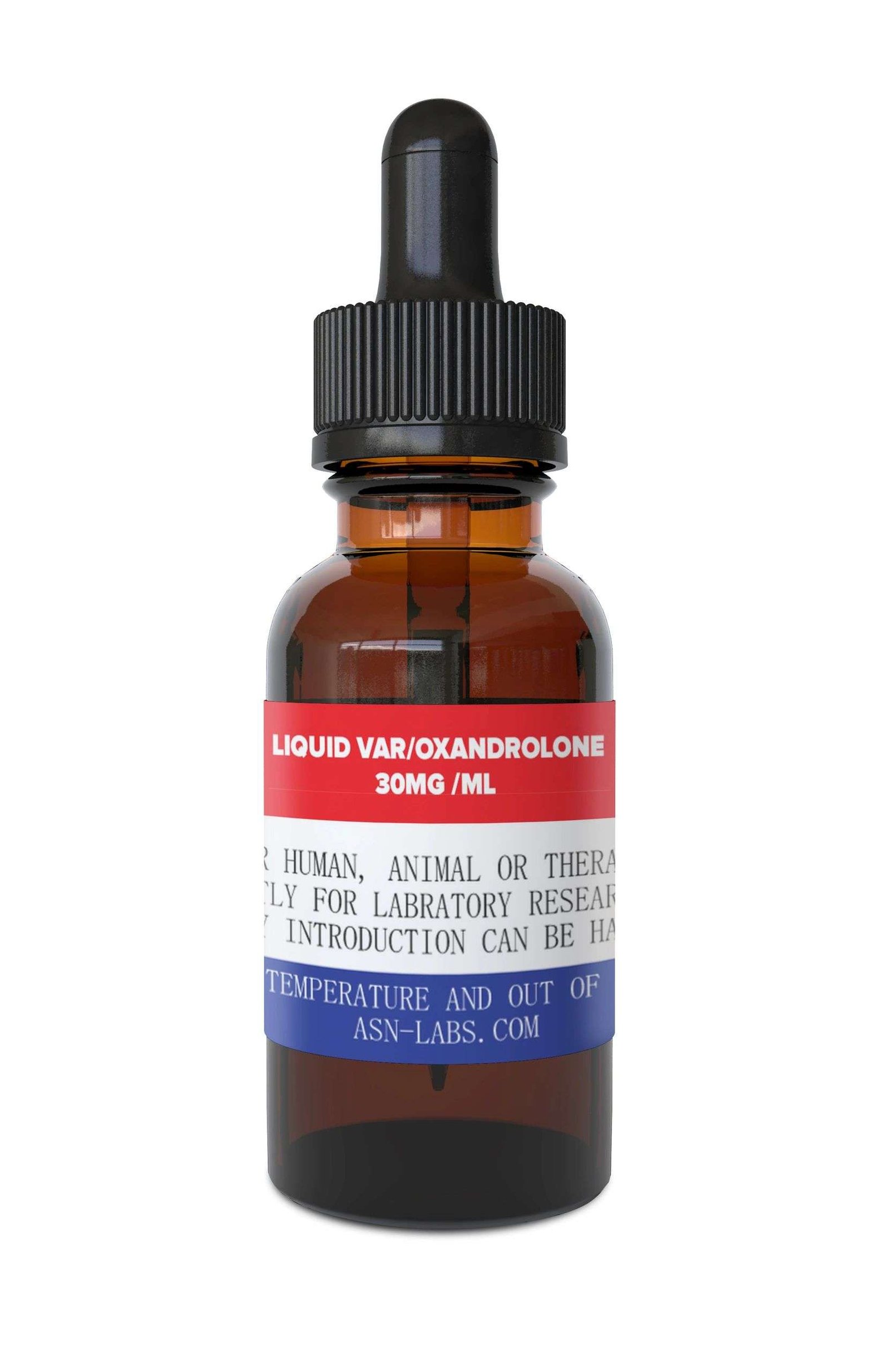
At ASN-LABS, the standard is straightforward: lab-tested materials, Made in the USA manufacturing claims, transparent product positioning, and a professional purchasing experience built for buyers who value consistency over hype. That does not turn a research material into a consumer product. It does give qualified buyers a clearer basis for evaluating source quality.
What to Keep on File
For personal purchasing records or legitimate research operations, retain the order confirmation, product label details, lot number, available analytical documentation, and any storage guidance supplied with the material. These records create traceability if questions arise later about identity, handling, or the source of a particular batch.
This is not administrative busywork. When multiple materials, lots, or study timelines are involved, clean records reduce avoidable uncertainty. They also help separate disciplined sourcing from impulse buying.
Research-Use Positioning Is a Real Boundary
Performance-minded shoppers are often familiar with compounds that generate intense online discussion. Familiarity does not establish regulatory approval, safety for human use, or appropriate use outside a legitimate research setting.
Research-use-only materials must be represented accurately. They should not be marketed as dietary supplements, foods, cosmetics, or approved drugs when they do not meet the legal standards for those categories. Claims about treating conditions, producing guaranteed physiological outcomes, or providing personal-use protocols can create compliance problems and mislead buyers.
The practical takeaway is simple: assess the material based on its stated research purpose, not on social media testimonials or before-and-after promises. A supplier that maintains clear boundaries is not being evasive. It is showing the discipline required to operate credibly in a regulated and highly scrutinized category.
The Intended Use Changes the Analysis
A compound’s legal and regulatory status can depend on several factors, including its identity, claims, concentration, format, jurisdiction, and intended use. There is no universal shortcut that makes every research compound acceptable for every purpose.
That is why buyers should verify applicable federal, state, institutional, and workplace requirements before ordering or initiating a project. If research is conducted through a university, laboratory, clinic, or company, internal review procedures may impose additional controls. The right answer depends on the material and setting.
Storage, Handling, and Label Integrity Matter
Even properly sourced material can lose value when handled carelessly. Packaging is part of quality control, not an afterthought. Labels should remain legible and attached to the original container. Materials should be stored according to the supplier’s stated conditions and kept away from unauthorized access, contamination risks, and incompatible materials.
Do not transfer a product into an unmarked container because it looks cleaner on a shelf. Do not combine materials casually. Do not rely on memory for lot numbers or dates. These shortcuts erode traceability and make any later evaluation less reliable.
For organizations, a basic inventory process is often enough to make a major difference. Record receipt dates, lot numbers, storage locations, quantities, and disposal dates. For individual buyers engaged in lawful research, the same principle applies on a smaller scale: know exactly what you have, where it came from, and how it has been maintained.
Marketing Claims Should Match the Evidence
Compliance is also a test of language. Strong suppliers can communicate quality without overstating what a product can do. Terms such as lab-tested, batch documented, accurately labeled, and research use only are meaningful when supported by process and records.
By contrast, absolute promises deserve scrutiny. Claims that a compound will transform body composition, replace medical care, deliver guaranteed cognitive effects, or produce a specific outcome for every user are not indicators of scientific sophistication. They are warning signs that marketing has moved ahead of evidence.
This does not mean buyers need to settle for generic information. It means the best product information is precise. It identifies the compound, the format, the quantity, the quality controls, and the intended research category without blurring the boundary between research material and approved therapeutic product.
A Buyer’s Standard for Research Compliance
Before placing an order, assess the source with the same focus you would bring to the material itself. Confirm that the product description is clear, the research-use designation is visible, documentation is available where promised, and packaging practices support traceability. Review shipping and storage expectations before the material arrives, not after.
It is also worth evaluating what a supplier refuses to say. Responsible sellers do not provide instructions for human consumption, dosage plans, disease-treatment claims, or guarantees of personal results. Those limits are part of a credible research-use framework, not a weakness in the customer experience.
Price should be considered in context. Lower cost can be attractive, but it may reflect thinner documentation, weaker testing practices, poor packaging, or inconsistent supply. Higher price alone proves nothing either. The value lies in the combination of quality evidence, accurate representation, dependable fulfillment, and disciplined compliance practices.
Compliance Protects the Work Behind the Purchase
The goal of research compliance is not to slow down serious buyers. It is to protect the integrity of the work, the credibility of the supplier, and the ability to make decisions based on facts rather than speculation. In performance-oriented research categories, that discipline is a competitive advantage.
Choose materials with clear identity, credible documentation, and unambiguous research-use positioning. Keep records. Respect handling requirements. Treat unsupported claims as noise. The strongest results begin with standards that hold up long before any product reaches the bench.