 Orders placed between June 24 and July 5 may experience slight processing delays due to inventory reconciliation and warehouse maintenance.



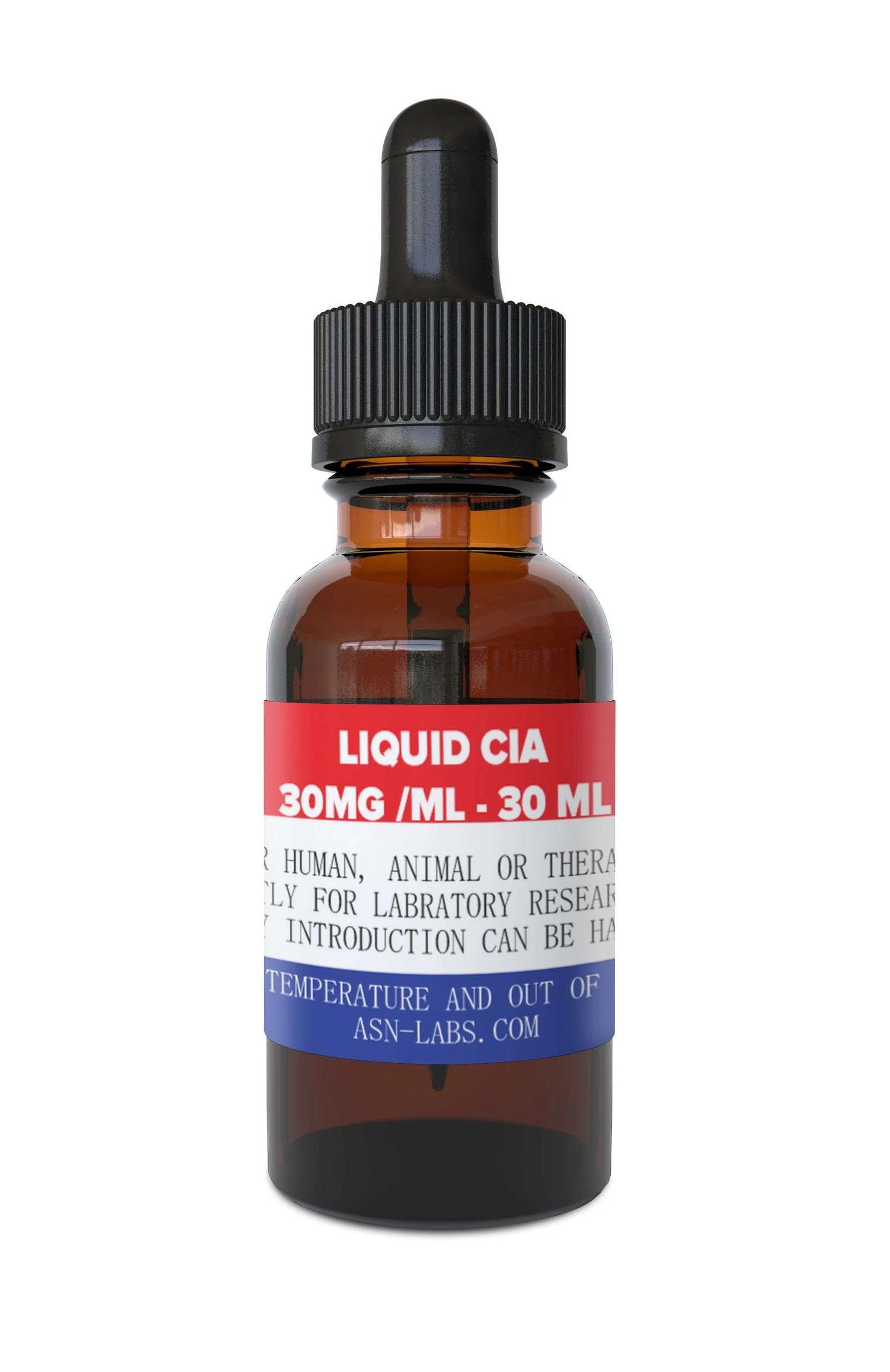
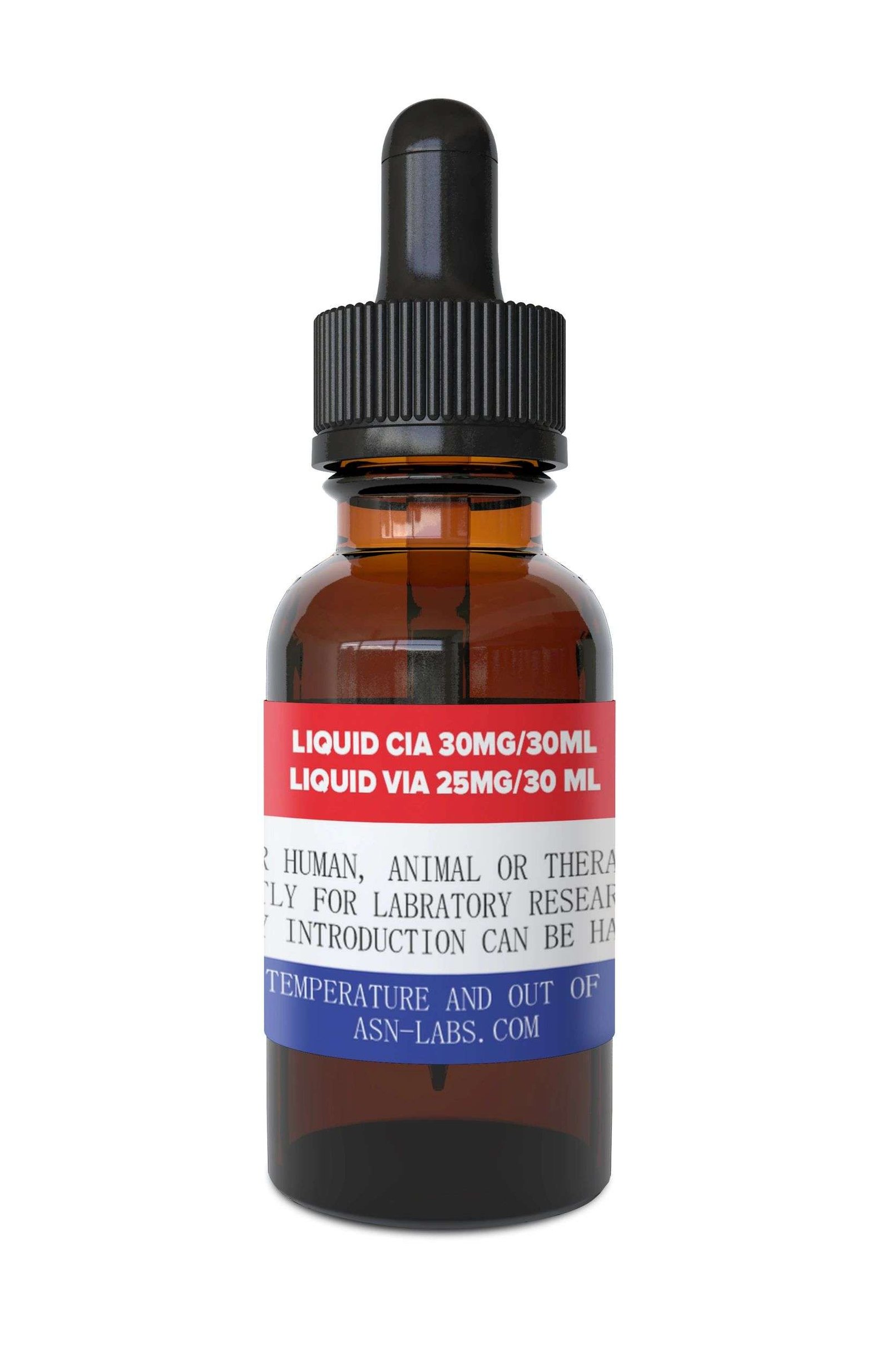
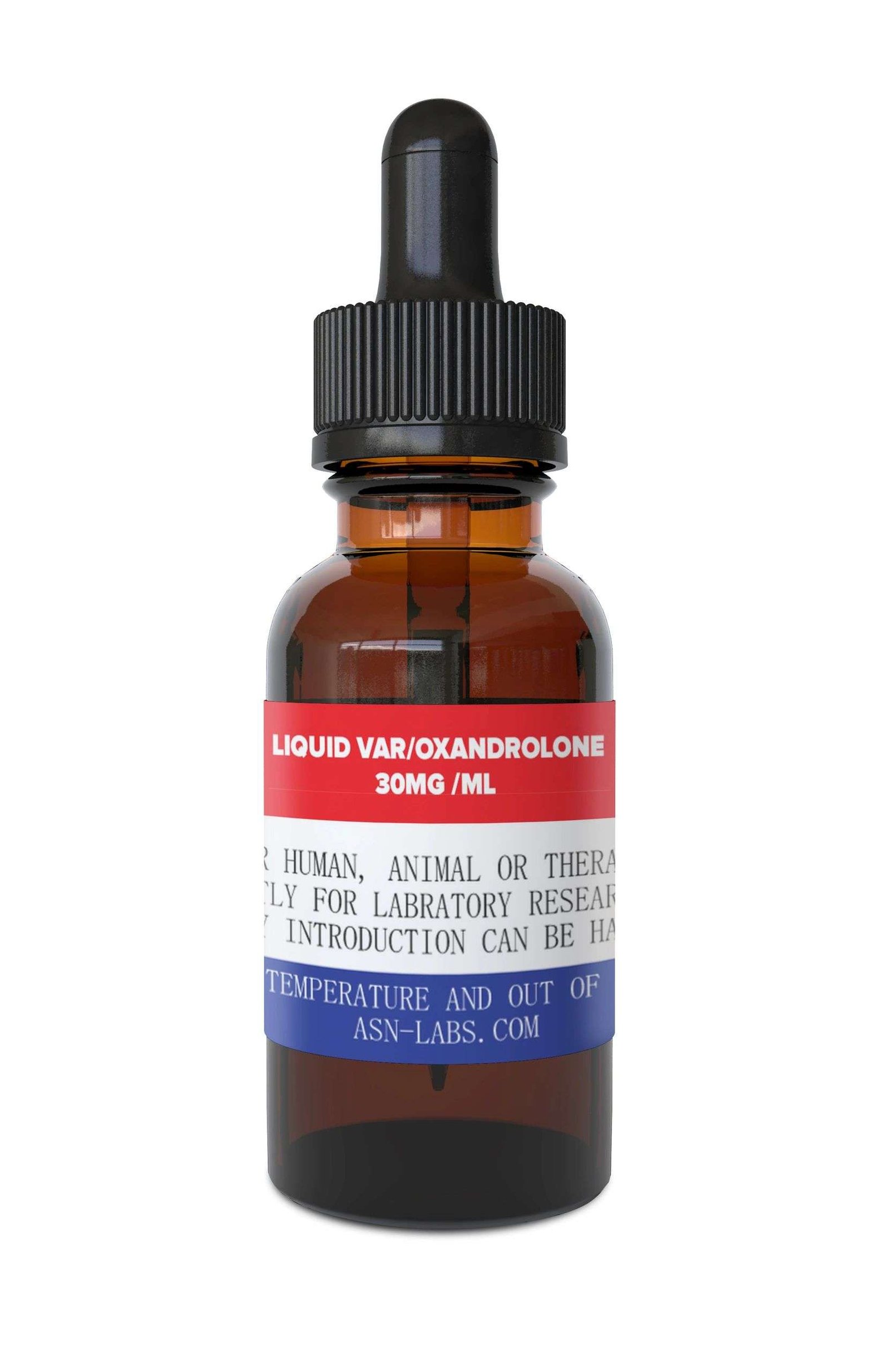
A product label can make a purity claim. Batch traceability is what gives that claim a record behind it. For serious research-compound buyers, the difference matters. A lot number is not decorative packaging – it should be the reference point that connects a specific unit to manufacturing details, analytical testing, release decisions, and quality-control documentation.
When the category includes SARMs, peptides, nootropics, and other performance-oriented research compounds, vague sourcing is not a premium feature. Precision is. Buyers who evaluate suppliers carefully want to know whether the material in hand can be tied to a defined production batch, rather than to a general statement about a product line.
What Batch Traceability Actually Means
Batch traceability is the ability to follow a defined lot of material through its documented lifecycle. That lifecycle typically begins with incoming raw-material controls and continues through production, packaging, laboratory analysis, quality review, and release for sale.
In practical terms, a batch number should allow a supplier to identify the records associated with that lot. Depending on the product and manufacturing model, those records may include raw-material identifiers, production dates, equipment or processing references, packaging details, test results, and disposition status. The goal is simple: if a question arises about a unit, the supplier can identify exactly which batch it came from and what happened before it reached inventory.
This is not just a back-office exercise. Traceable batches support consistency from order to order. They also give a quality-focused supplier a way to isolate a single lot if documentation, testing, or packaging needs review, rather than treating all inventory as one undifferentiated pool.
Why Batch Traceability Matters for Research Compounds
Research products are often discussed in terms of the compound name alone. That is only part of the picture. Two containers carrying the same name are not automatically equivalent if their sourcing, handling, production controls, or analytical records differ.
A defined batch creates accountability around the specific material being offered. It helps distinguish a supplier that manages inventory through documented controls from one that relies on generic product descriptions and broad, unsupported purity language.
For buyers focused on research quality, batch-level control can help answer meaningful questions:
- Is this unit tied to a specific production lot?
- Are analytical records associated with that lot rather than a random or outdated sample?
- Can the supplier review the batch if there is a labeling, packaging, or documentation concern?
- Is the product handled under a repeatable quality process instead of an informal sourcing chain?
None of these questions should be treated as a substitute for proper research protocols or independent evaluation. But they are core signals when assessing whether a supplier takes consistency seriously.
A Lot Number Is Only the Starting Point
A visible lot number is valuable, but its value depends on the system behind it. Any operation can print a sequence of characters on a label. The stronger question is whether that number retrieves a controlled record and whether the record corresponds to the exact material and packaging configuration sold.
Meaningful traceability links identifiers across the workflow. The incoming material, production record, finished product, analytical documentation, and shipping inventory need to align. If a supplier cannot explain what its batch identifier represents, the identifier offers limited assurance.
That is why sophisticated buyers look beyond the presence of a number. They look for evidence of disciplined batch control, current batch documentation where provided, and a supplier whose quality claims are specific enough to be evaluated.
Testing Is Stronger When It Is Batch-Specific
Third-party testing is one of the most relevant quality markers in the research-compound market. Yet the details matter. A certificate of analysis is most useful when it identifies the material, method, result, testing party, and batch or lot being evaluated.
A generic certificate may show that a sample was tested at some point. It does not necessarily establish that the unit being considered belongs to the tested material. Batch-specific documentation closes more of that gap by connecting the result to a defined lot.
Analytical methods can vary based on the material and purpose of the test. Identity testing may help confirm that the expected compound is present. Assay testing may report measured concentration or purity. Additional testing can address factors such as residual solvents, moisture, microbial limits, or other parameters when relevant to the product type and intended research context.
More testing is not automatically better if the methods, specifications, and documentation are unclear. The standard should be relevant, legible, and tied to the specific batch. A trustworthy quality program favors useful records over decorative paperwork.
The Operational Advantage: Faster, More Controlled Decisions
Traceability is often discussed as a buyer benefit, but it is also a sign of operational discipline. When a supplier knows where each batch is located and how it was processed, it can make better decisions across inventory, fulfillment, and quality assurance.
If a packaging discrepancy is identified, a traceable system can narrow the review to the affected lot. If a question comes in about a certificate or label, the team can locate the associated record instead of relying on memory or generic files. If stock is replenished, batch control helps prevent accidental mixing of records from different production runs.
For a direct-to-consumer supplier, that discipline supports a more professional purchasing experience. Fast shipping is useful. Fast shipping backed by controlled inventory, documented lot management, and an accountable release process is stronger.
There is a trade-off. Detailed traceability requires time, recordkeeping, quality review, and systems that are not visible in a product photo. Those investments can raise operational complexity. For a supplier building its reputation around lab-tested, USA-manufactured research products, however, that complexity is part of the standard – not an optional extra.
How to Evaluate Batch Traceability Before You Buy
Start with specificity. Review whether the product label includes an identifiable lot or batch reference and whether the supplier communicates what its testing and quality documentation covers. Broad statements such as “tested for purity” are less meaningful than documentation connected to a defined lot.
Next, assess consistency across the supplier’s presentation. Does the batch identifier on the item align with the available documentation? Are product naming, concentration, fill size, and other relevant details clear? Minor formatting differences can occur, but major mismatches deserve questions.
Then consider the supplier’s overall quality posture. Strong batch control fits naturally alongside defined manufacturing practices, controlled packaging, documented release procedures, and credible third-party analytical testing. It should not appear as an isolated marketing phrase.
Finally, keep the limits in view. Batch traceability supports sourcing transparency and quality accountability. It does not make a research compound approved for human use, establish fitness for a particular experiment, or replace the responsibilities of qualified research personnel. Products sold for research use only must be handled accordingly and kept out of human or veterinary use.
Batch Traceability and Repeatable Standards
The strongest suppliers do not rely on a single attractive certificate or a one-time purity claim. They build repeatable controls around every production lot. That means assigning identifiers early, maintaining documentation as material moves through the process, testing according to defined standards, and releasing inventory only after appropriate review.
At ASN-LABS, the standard buyers should expect is straightforward: research products supported by quality-minded sourcing, lab-tested documentation, and batch-level accountability. The point is not to create more paperwork for its own sake. The point is to provide a clearer basis for evaluating consistency and supplier credibility.
A high-performance research program should not begin with guesswork about what is in the container or where it came from. Look for the batch number, ask whether records follow it, and choose suppliers that treat traceability as proof of discipline rather than a line of label copy.