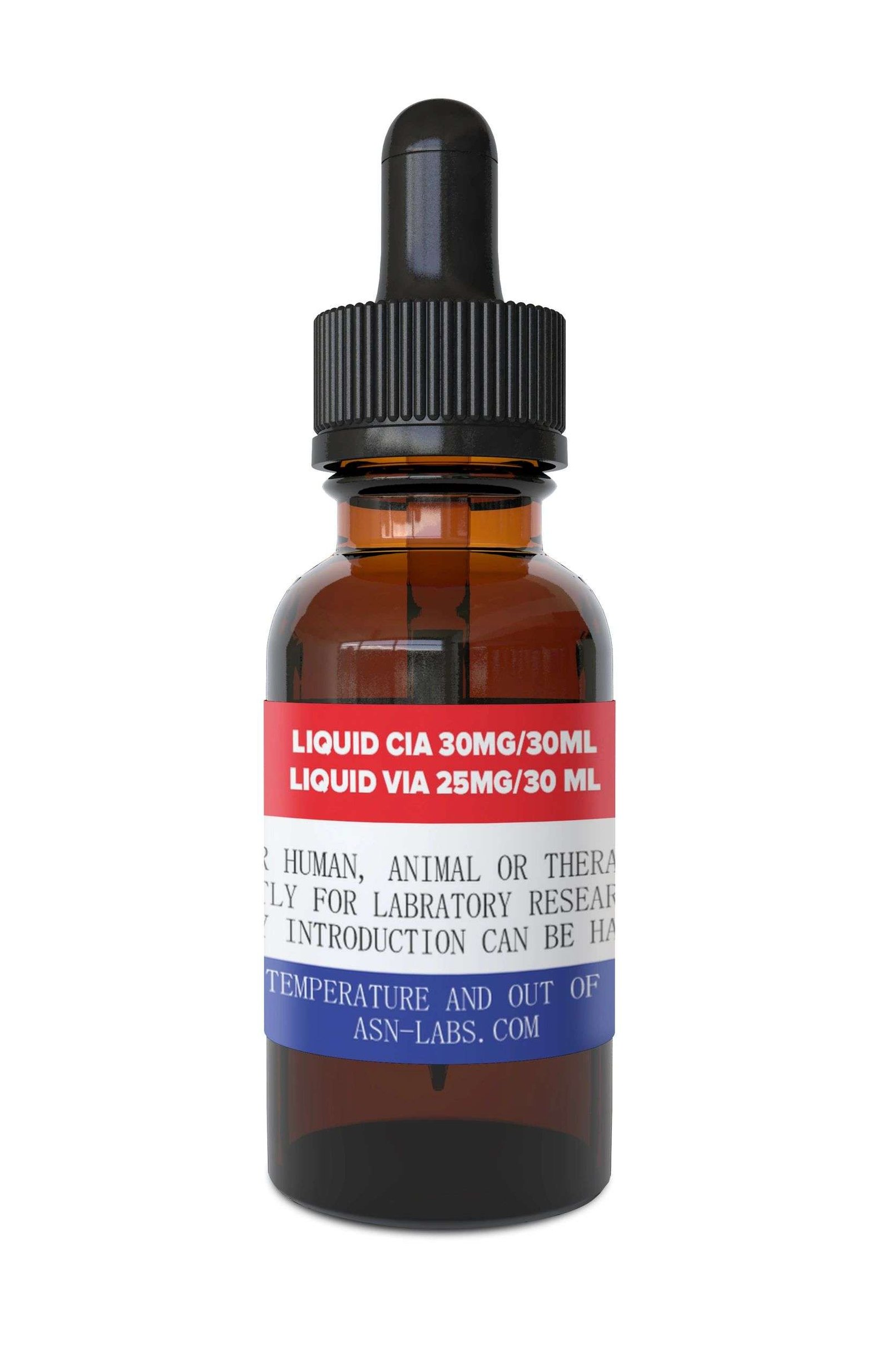
A Guide to SARM Quality Standards That Matter

This guide to SARM quality standards shows researchers how to assess identity, purity, documentation, packaging, and supplier consistency with confidence.
 Orders placed between June 24 and July 5 may experience slight processing delays due to inventory reconciliation and warehouse maintenance.
Limited Time: 10% Off Your First Order – Use Code: SUPERHUMAN
Orders placed between June 24 and July 5 may experience slight processing delays due to inventory reconciliation and warehouse maintenance.
Limited Time: 10% Off Your First Order – Use Code: SUPERHUMAN
Orders placed between June 24 and July 5 may experience slight processing delays due to inventory reconciliation and warehouse maintenance.
Orders placed between June 24 and July 5 may experience slight processing delays due to inventory reconciliation and warehouse maintenance.
Limited Time: 10% Off Your First Order – Use Code: SUPERHUMAN
Orders placed between June 24 and July 5 may experience slight processing delays due to inventory reconciliation and warehouse maintenance.
Limited Time: 10% Off Your First Order – Use Code: SUPERHUMAN
Orders placed between June 24 and July 5 may experience slight processing delays due to inventory reconciliation and warehouse maintenance.
Orders placed between June 24 and July 5 may experience slight processing delays due to inventory reconciliation and warehouse maintenance.
Limited Time: 10% Off Your First Order – Use Code: SUPERHUMAN
Orders placed between June 24 and July 5 may experience slight processing delays due to inventory reconciliation and warehouse maintenance.
Limited Time: 10% Off Your First Order – Use Code: SUPERHUMAN
Orders placed between June 24 and July 5 may experience slight processing delays due to inventory reconciliation and warehouse maintenance.
Orders placed between June 24 and July 5 may experience slight processing delays due to inventory reconciliation and warehouse maintenance.
Limited Time: 10% Off Your First Order – Use Code: SUPERHUMAN
Orders placed between June 24 and July 5 may experience slight processing delays due to inventory reconciliation and warehouse maintenance.
Limited Time: 10% Off Your First Order – Use Code: SUPERHUMAN
Orders placed between June 24 and July 5 may experience slight processing delays due to inventory reconciliation and warehouse maintenance.